









This article is about exploring the Brassicaceae family: impact on nutrition, agriculture, and ecology.
“The Brassicaceae family reads like a botanical blueprint of efficiency—four petals arranged with quiet precision, six stamens working in deliberate asymmetry, and chemistry woven into structure, proving that simplicity in plants often hides remarkable sophistication.” — The Economic Botanist
You may already know the Brassicaceae family from everyday foods like cabbage, broccoli, mustard, kale, radish, and canola. But beyond the grocery store, this plant family plays a powerful role in agriculture, ecology, medicine, and even scientific research.
Often called the mustard family or cruciferous plant family, Brassicaceae includes some of the most nutritionally important crops on Earth. These plants are united by a distinctive floral structure, pungent chemical defenses, and an extraordinary ability to thrive in diverse climates.
In this article, we’ll explore the Brassicaceae family: how to identify Brassicaceae plants, understand their defining traits, discover major genera and species, and see why this family matters so much to human health and global food systems.
Whether you’re a gardener, student, farmer, or simply someone who loves good food, the Brassicaceae family has more to offer than you might expect.
- Brassicaceae Family Overview
- Characteristics of the Brassicaceae Family
- Brassicaceae Subfamilies
- Major Genera in the Brassicaceae
- Common Brassicaceae Species
- Economic and Ecological Importance
- Evolution and Phylogeny of Brassicaceae
- Distribution and Habitat
- Uses and Applications of Brassicaceae Plants
- Cultivation and Care Tips
- The Bottom Line
Brassicaceae Family Overview
The Brassicaceae family contains approximately 3,700–4,000 species across about 330–370 genera. While smaller than Asteraceae, its impact on human civilization is enormous due to its role in food production and nutrition.
Well-known members include:
- Cabbage
- Broccoli
- Cauliflower
- Kale
- Mustard
- Radish
- Turnip
- Canola (rapeseed)
- Arugula
Brassicaceae plants grow worldwide, from temperate farmlands to alpine regions and semi-arid landscapes.
Flowering mustard plants with four-petaled yellow blooms
What truly defines this family is its distinctive flower structure and chemical defense system, both of which make Brassicaceae instantly recognizable to botanists.
Characteristics of the Brassicaceae Family
The “Cruciform” Flower
Brassicaceae flowers are famously cruciform, meaning they have four petals arranged like a cross. This feature gave rise to the older family name Cruciferae.
Typical floral traits include:
- Four petals
- Four sepals
- Six stamens (four long, two short — called tetradynamous)
- A superior ovary
These simple yet efficient flowers are highly attractive to pollinators.
Chemical Defense: Glucosinolates
One of the most fascinating Brassicaceae characteristics is the presence of glucosinolates—sulfur-containing compounds that:
- Give mustard and wasabi their sharp flavor
- Deter herbivores
- Contribute to potential cancer-fighting properties in humans
When plant tissues are damaged, these compounds break down into pungent chemicals, making the plants less appealing to pests.
Fruit Type: The Silique
The typical Brassicaceae fruit is a silique (or silicle in shorter forms):
- Long, narrow seed pods
- Split open when mature
- Contain seeds attached to a central membrane
This fruit type is a key identification feature of the family.
Leaves and Growth Habit
Brassicaceae plants often have:
- Alternate leaves
- Simple or lobed leaf shapes
- Basal rosettes in many species
- Herbaceous growth habits
Some species are annuals, others biennials or perennials.
Brassicaceae Subfamilies
Botanists divide the family into several subfamilies. Three commonly recognized groups include:
Brassicoideae
Includes many cultivated vegetables such as:
- Brassica oleracea (cabbage, broccoli, kale)
- Brassica rapa (turnips, bok choy)
Aethionemoideae
A smaller, early-diverging group mostly found in rocky or mountainous regions.
Cardaminoideae
Includes wild and cultivated plants such as:
- Cardamine (bittercress)
- Nasturtium (watercress)
Major Genera in the Brassicaceae
Brassica
The most economically important genus.
Includes:
- Cabbage
- Broccoli
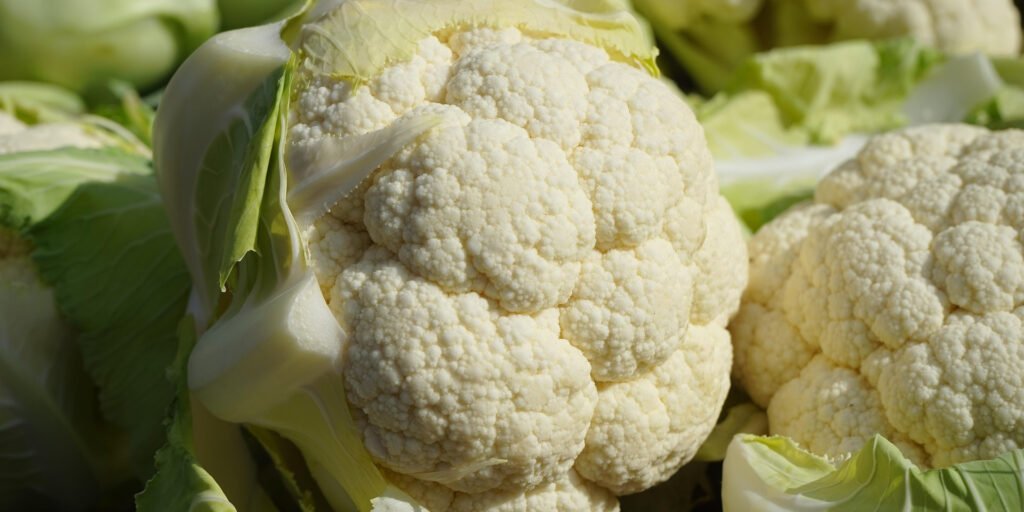
- Cauliflower
- Kale
- Brussels sprouts
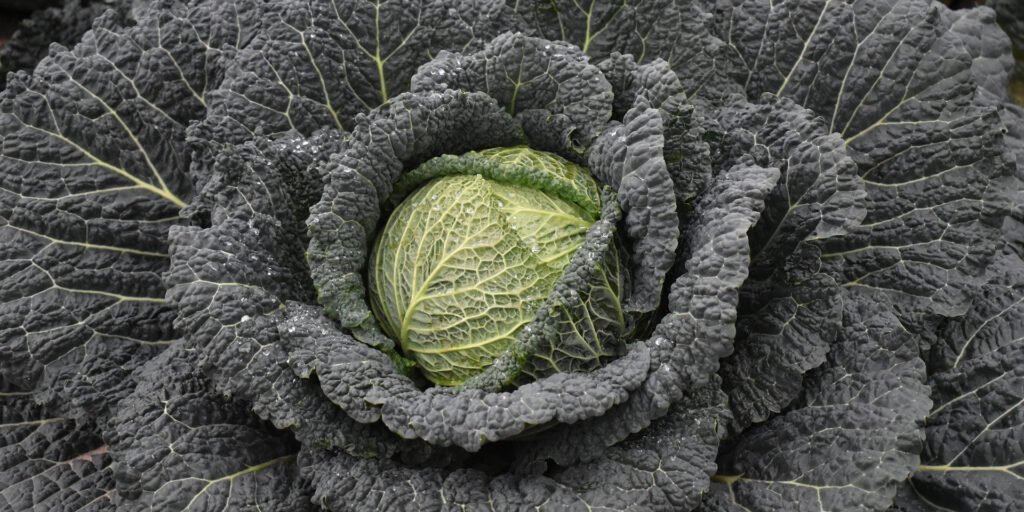
A single species (Brassica oleracea) has been selectively bred into many vegetables—an iconic example of plant domestication.
Arabidopsis
Best known for:
- Arabidopsis thaliana, the world’s leading model organism in plant genetics
This tiny plant has revolutionized our understanding of plant biology.
Sinapis & Mustard Genera
Includes:
- Black mustard
- White mustard
These plants are essential for culinary spices and condiments.
Raphanus
Radishes are known for:
- Rapid growth
- Edible roots
- Sharp, peppery flavors
Common Brassicaceae Species
Widely recognized examples include:
- Brassica oleracea (cabbage, broccoli, kale)
- Brassica napus (canola)
- Raphanus sativus (radish)
- Sinapis alba (white mustard)
- Arabidopsis thaliana
- Nasturtium officinale (watercress)
These species are cornerstones of global agriculture and research.
Economic and Ecological Importance
Agriculture and Nutrition
Brassicaceae crops are nutritional powerhouses, rich in:
- Fiber
- Vitamin C
- Vitamin K
- Folate
- Antioxidants
They form a dietary staple across many cultures.
Oil and Industry
- Canola oil is one of the most widely used vegetable oils in the world
- Brassicaceae oils are also used in biofuels, lubricants, and cosmetics
Ecological Roles
Brassicaceae plants:
- Support pollinators
- Act as pioneer species in disturbed soils
- Improve soil health through crop rotation
Some species are also used as cover crops to suppress weeds and pests.
Evolution and Phylogeny of Brassicaceae
The Brassicaceae family likely originated around 30–40 million years ago. Its success is linked to:
- Efficient reproduction
- Strong chemical defenses
- Rapid life cycles
Genomic research—especially using Arabidopsis—continues to refine our understanding of the family’s evolutionary history.
Distribution and Habitat
Brassicaceae species are found on every continent except Antarctica. They thrive in:
- Temperate regions
- Mediterranean climates
- Mountain slopes
- Agricultural landscapes
Their adaptability has allowed them to spread globally alongside human cultivation.
Uses and Applications of Brassicaceae Plants
Culinary Uses
- Cabbage, broccoli, cauliflower
- Mustard condiments
- Radishes and turnips
- Arugula and watercress
Medicinal and Health Uses
- Anti-inflammatory compounds
- Potential cancer-preventive properties
- Digestive and detox-supporting foods
Scientific Research
- Arabidopsis thaliana is central to plant genetics, biotechnology, and crop improvement research.
Cultivation and Care Tips
Ideal Growing Conditions
Most Brassicaceae prefer:
- Full sun to partial shade
- Cool temperatures
- Well-drained, fertile soil
Propagation
- Grown primarily from seed
- Fast germination
- Suitable for succession planting
Common Challenges
- Cabbage worms
- Aphids
- Clubroot disease
Crop rotation and proper spacing reduce problems.
The Bottom Line
The Brassicaceae family is one of the most important plant groups on Earth. From the vegetables that nourish us daily to the scientific breakthroughs driven by its genetics, this family quietly underpins global health, agriculture, and research.
Understanding Brassicaceae means understanding how plants, people, and ecosystems are deeply connected—through food, science, and evolution.
********************
If you enjoyed this deep dive into the Brassicaceae family, explore our other plant family guides, gardening resources, and botany insights. Subscribe to our newsletter or bookmark this page to keep growing your plant knowledge—one family at a time.