





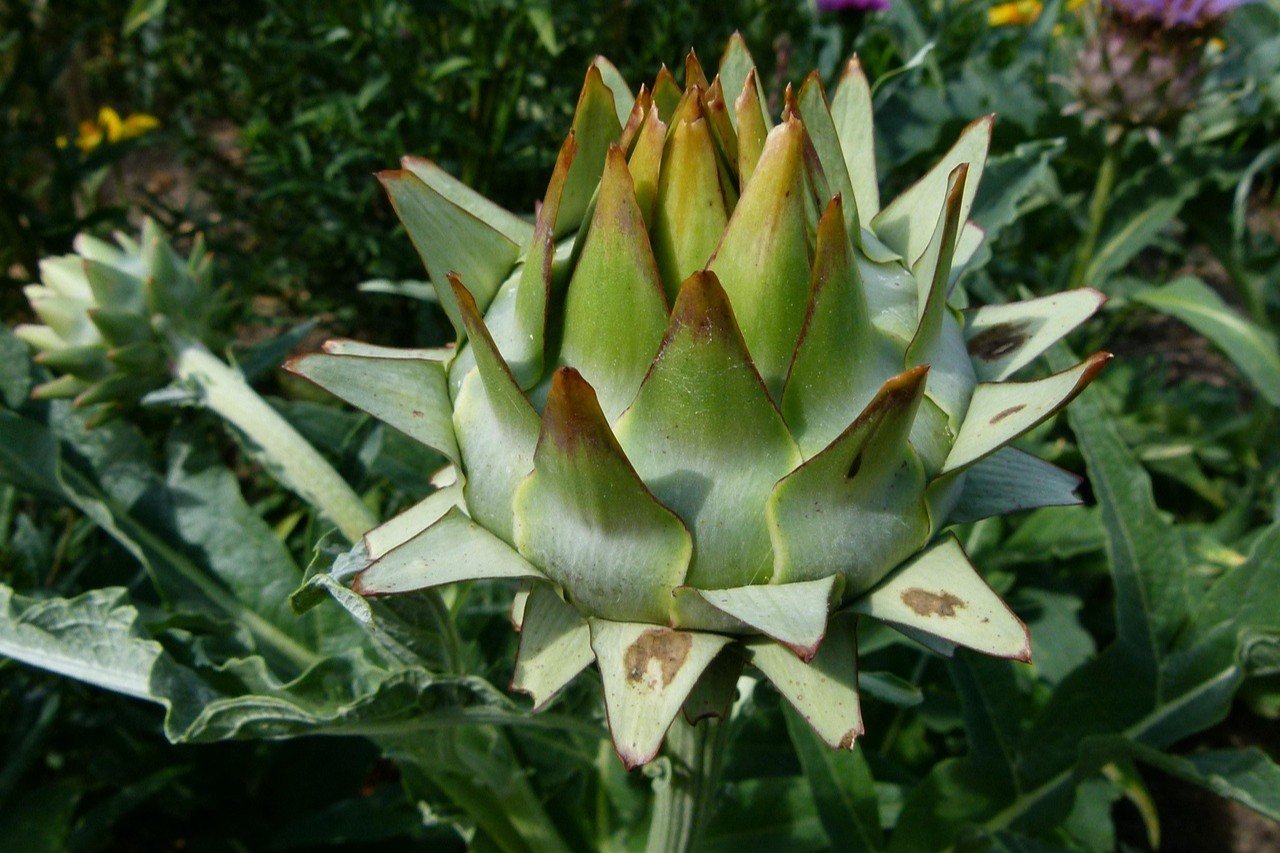
Scientific name: Cynara cardunculus subsp. scolymus (L.)
Family: Asteraceae
With its sculptural form, prehistoric lineage, and richly layered taste, the artichoke is far more than a dinner table delicacy. This spiny thistle has deep cultural roots, a complex growing habit, and surprising health benefits. From Mediterranean fields to herbal apothecaries, the artichoke is as fascinating in form as it is functional in food and medicine.
Native to the Mediterranean region, the artichoke has been cultivated for thousands of years. Prized in ancient Rome and still revered in modern kitchens, this unusual plant is both edible flower and therapeutic ally. Its leaves, especially, hold medicinal properties known to support liver health, digestion, and cholesterol balance.
In this Plant Compendium entry, we’re diving deep into everything artichoke has to offer—from planting tips to the biochemistry behind its bitter virtues.
History of Artichoke
Ancient Origins
The artichoke descends from the wild cardoon, a spiny Mediterranean thistle that was first domesticated thousands of years ago. Ancient Greeks and Romans cultivated and consumed artichoke-like plants, not only as food but also for their digestive and medicinal qualities. Theophrastus described a similar plant in the 4th century BCE.
Etymology and Symbolism
The name artichoke derives from the Arabic word al-kharshuf, which traveled through Italian as articiocco before becoming artichoke in English. In folklore, the artichoke was associated with sensuality and abundance—perhaps due to its lush, layered structure and connection to Aphrodite.
Spread and Popularity
By the 15th century, artichokes had become a luxury food in Italy, Spain, and France. Catherine de Medici is credited with introducing them to the French court in the 1500s. Spanish settlers later brought the plant to the Americas, where it found a home in California—now the U.S. leader in commercial production.
Botanical Description
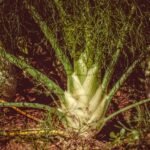
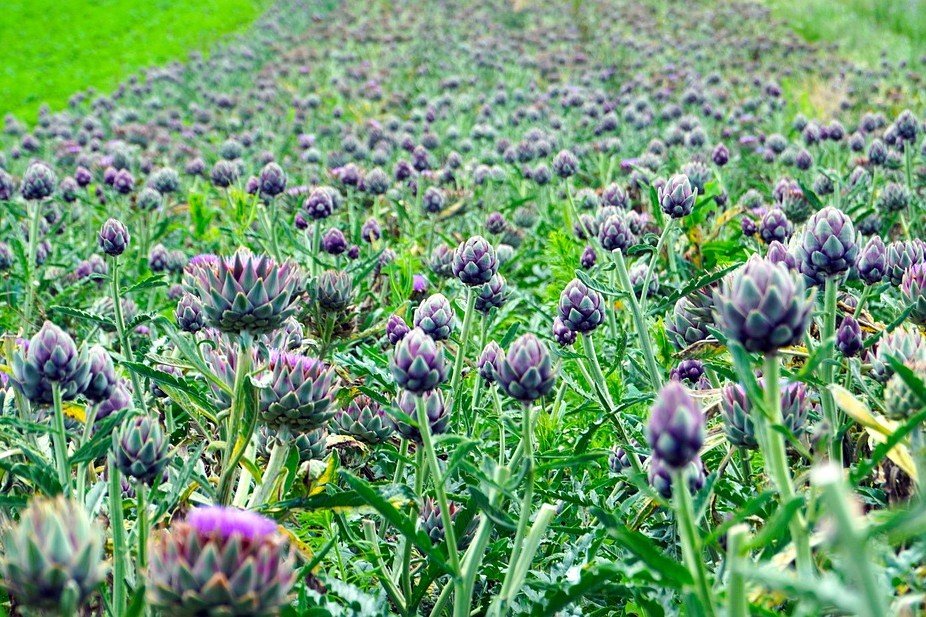
Cynara cardunculus subsp. scolymus is a perennial thistle in the daisy family (Asteraceae). While it resembles an oversized weed to the untrained eye, it’s a biological marvel.
Roots: A deep taproot with fibrous lateral roots that enable the plant to access water in dry conditions.
Stems: Thick, branching, and grooved. Stems can reach 1–2 m (3–6 ft) in height.
Leaves: Large, spiny, silver-green leaves up to 1 m (3 ft) long, deeply lobed with a felt-like underside.
Flowers (Buds): The edible “artichoke” is actually a pre-bloom flower bud. It has overlapping bracts (modified leaves) that conceal a central “choke” (immature florets) and a tender heart.
Flowers (In Bloom): If not harvested, the bud opens into a large, violet-purple thistle-like flower.
Seeds: The seed head produces numerous small achenes—dry fruits containing the seed.
Growing Instructions
Here’s everything you need to know to get your artichokes growing strong and producing beautiful, edible buds:
Sunlight: Artichokes love the sun. Choose a spot that receives at least 6 hours of full sunlight per day. In regions with hot summers, some afternoon shade can help prevent heat stress, but too little sun will reduce bud production.
Soil: These plants thrive in well-draining, fertile loam that’s rich in compost or organic matter. Artichokes are heavy feeders, so building healthy soil at the start is key to a strong crop. Ideal soil pH ranges from 6.5 to 7.5.
Temperature: Artichokes prefer cool, mild conditions. Temperatures between 10–24 °C (50–75 °F) are best. They don’t like extremes—heat can cause the buds to open too soon, and frost can damage young growth. Artichokes are hardy in USDA zones 7–11. In colder areas, they’re often grown as annuals, or you can try overwintering them by cutting back the foliage and applying a thick mulch to insulate the roots.
Watering: Keep the soil evenly moist throughout the growing season. Artichokes don’t like to dry out, especially when buds are forming, but they also won’t tolerate soggy soil. Water deeply and regularly, especially in dry climates.
Spacing: Artichokes need room to grow! Space plants about 90–120 cm (3–4 feet) apart. They form large, arching rosettes and need space for both their broad leaves and deep root systems.
Support: Though not climbers, mature artichoke plants can get top-heavy, especially when buds are maturing. In windy areas, consider using low garden hoops or light staking to prevent tipping.
Life Cycle: Artichokes grow as short-lived perennials in mild climates, but are often grown as annuals in colder zones. Here’s what to expect:
Germination: Seeds sprout in 10–21 days, especially when started indoors with warmth and consistent moisture.
Vegetative Growth: A large rosette of deeply lobed, silvery-green leaves forms over the first 2–3 months.
Flowering Buds: Edible flower buds begin to appear in late spring to early summer. These are harvested before they begin to open.
Harvest: Pick buds while tight and firm—usually the central bud matures first, followed by smaller side shoots.
Dormancy or Reflowering: In warm regions, artichokes may enter a short summer dormancy and rebloom in fall. In colder areas, plants typically die back or are removed after harvest.

Harvesting and Foraging
When to Harvest
Buds: Harvest when firm and 7–10 cm (3–4 in) in diameter, just before the bracts begin to separate.
Leaves: For medicinal use, harvest mature outer leaves during the growing season.
How to Harvest
Use clean garden shears to snip the bud 2–5 cm below the base.
Wear gloves—many varieties have sharp thorns.
For leaves, clip just above the base and dry promptly.
Note: Wild cardoons (close relatives) can be foraged in Mediterranean climates, but should be approached cautiously due to look-alikes and spiny growth.
Plant Companions
Artichokes are relatively self-contained but benefit from thoughtful companion planting.
Good Companions:
Peas & Beans: Fix nitrogen in soil, supporting leafy growth.
Nasturtiums: Trap pests and bring vibrant color.
Avoid:
Potatoes: Compete for nutrients and attract similar pests.
Corn: Overshadows and competes for root space.
Common Pests and Diseases
Aphids: Cluster under leaves and on stems. Use neem oil or ladybugs.
Slugs & Snails: Especially on young plants—hand-pick or use copper barriers.
Artichoke plume moth: Larvae burrow into buds. Remove infested heads and use Bt sprays.
Botrytis (Gray Mold): Prevent with good airflow and avoid overhead watering.
Crown Rot: Avoid waterlogged soil; rotate crops if infected.
Shopping Tips
Seeds
Choose heirloom or regional varieties suited to your zone.
Look for types like ‘Green Globe’, ‘Imperial Star’, or ‘Romanesco’.
Seedlings
Select robust transplants with no yellowing leaves or rootbound pots.
Dried Herb
For medicinal use, choose organic dried artichoke leaf from reputable herbal suppliers.
Look for clean-cut leaves with a bitter aroma and greenish hue.
Storage
Fresh Buds
Refrigerate unwashed in a sealed bag for up to 1 week.
To store longer, trim and freeze after blanching.
Dried Leaves
Dry leaves quickly in a well-ventilated space.
Store in airtight jars away from light and moisture.

Culinary Uses
Artichokes are beloved for their unique flavor—a blend of nutty, earthy, and slightly bitter notes—and for their luxurious, creamy texture when properly cooked. From simple steamed preparations to decadent gourmet dishes, this thistle has earned its place in cuisines across the globe.
Edible Flower Buds (The “Artichoke”)
The part most people refer to as the “artichoke” is actually the unopened flower bud. It’s composed of thick, fibrous outer bracts (leaves), tender inner leaves, a fuzzy central choke (which is inedible), and the prized heart—a dense, flavorful core at the base.
Steamed or Boiled
How: Trim the stem and sharp leaf tips, then steam or boil the entire bud for 30–45 minutes until tender.
Flavor Profile: Steaming preserves the artichoke’s subtle nuttiness and concentrates its earthy tones.
Serving Tip: Serve whole with dipping sauces like garlic aioli, melted butter, hollandaise, or balsamic vinaigrette. Eat by scraping the flesh off each leaf with your teeth until you reach the heart.
A splash of lemon in the water keeps the color vibrant and adds brightness to the flavor.
Grilled or Roasted
How: Parboil or steam artichokes first, then halve, remove the choke, and grill cut-side-down until charred and smoky. Alternatively, toss quartered artichokes with olive oil, garlic, and herbs and roast at 200°C (400°F) for 20–30 minutes.
Flavor Profile: Grilling enhances the savory, umami notes with a delicious charred edge.
Try This: Finish with a squeeze of lemon juice, fresh thyme, or grated Parmesan for added depth.
Marinated (Jarred or Fresh)
How: Hearts are cooked, then marinated in oil, vinegar, garlic, chili flakes, and herbs. You can buy these ready-made or make your own at home.
Flavor Profile: Tangy, garlicky, and herbaceous—perfect for antipasti platters.
Uses: Add to sandwiches, grain bowls, focaccia, pasta salads, or cheese boards.
Stuffed
How: Gently pry open steamed or raw buds and fill with a mixture of breadcrumbs, herbs, garlic, cheese, lemon zest, and sometimes sausage or rice. Then bake in broth or olive oil until tender.
Traditions: A classic in Sicilian, Roman Jewish, and Lebanese cooking.
Flavor Profile: Rich, savory, and aromatic—especially when paired with lemon, oregano, and olive oil.
Fried (Roman-Style)
Carciofi alla giudia is a Roman Jewish specialty where whole young artichokes are flattened and double-fried in olive oil until golden and crispy.
Texture: Crispy leaves with a soft, melt-in-your-mouth center.
Tip: Best made with smaller, tender varieties like Italian violetto.
Artichoke Hearts
The heart—the dense base of the bud—is the most tender and flavorful part. It’s sold fresh, frozen, canned, or marinated, and is incredibly versatile.
Culinary Uses
Pastas: Toss into creamy Alfredo sauces, primavera dishes, or alongside olives and capers in puttanesca-style preparations.
Paellas: Classic in Spanish cuisine, especially in seafood or vegetarian paellas where the artichoke soaks up rich saffron broth.
Pizzas: A favorite topping on Mediterranean-style pizzas with goat cheese, olives, and sun-dried tomatoes.
Salads: Combine with roasted peppers, chickpeas, and arugula for a vibrant Mediterranean salad.
Tip: When using canned or marinated hearts, rinse and pat dry if you want to reduce salt or oil content.
Leaves (for Tea or Tincture)
While not typically eaten, the outer artichoke leaves are a valuable herbal medicine component.
Herbal Tea
How: Steep 1–2 tsp of dried or fresh artichoke leaves in 250 ml (1 cup) of hot water for 10–15 minutes.
Flavor Profile: Strong, bitter, and earthy—best sipped warm after meals.
Benefits: Traditionally used to support liver function, stimulate bile flow, and aid digestion.
Tincture
Often made from artichoke leaf extract in alcohol or glycerin.
Used in herbal medicine for cholesterol support and liver detox.
Pairing Tip: Combine with peppermint or fennel for a smoother-tasting digestive tea blend.
Around the World
France: Often prepared in barigoule (a white wine and herb braise), or featured in rich gratins.
Italy: From risottos to fritti (fried), artichokes are central to Roman and Sicilian cuisine.
Spain: Grilled with ham or braised in olive oil with garlic and paprika.
Morocco: Stewed with preserved lemon, olives, and lamb in fragrant tagines.
California (USA): Home of the Castroville Artichoke Festival, where artichokes are celebrated in dips, fritters, and even ice cream.
Pro Tips for Cooking Artichokes
Prevent Browning: Dip cut surfaces in lemon water to prevent oxidation.
Tenderize Tough Buds: Older artichokes may need extra cooking time—check doneness by pulling on a leaf; it should come away easily.
Don’t Waste the Stem: Peeled stems are edible and taste like the heart!
Health Benefits
Artichoke leaves are a powerhouse of phytochemicals, especially known for supporting liver function and digestion.
Liver Health & Detox Support
Contains cynarin, a compound that stimulates bile production—helping the liver process toxins and fats.
Shown in studies to support liver regeneration and function in conditions like fatty liver and hepatitis.
Digestive Aid
Traditionally used for indigestion, bloating, and nausea.
Bitter compounds increase digestive enzymes and gastric acid secretion.
Cholesterol & Blood Sugar
Clinical studies suggest that artichoke extract can lower LDL cholesterol and improve triglyceride levels.
May help regulate blood sugar by improving insulin sensitivity.
Antioxidant & Anti-inflammatory
Rich in chlorogenic acid, luteolin, and silymarin—compounds that fight oxidative stress.
Helps reduce systemic inflammation.
Prebiotic Fiber
High in inulin, a natural prebiotic fiber that feeds beneficial gut bacteria.
Supports healthy microbiome balance and bowel regularity.
Toxicity and Safety
General Safety
Generally recognized as safe (GRAS) when consumed as food.
Artichoke leaf extracts are well tolerated in most people.
Precautions
Gallbladder Issues: May worsen symptoms in people with bile duct obstruction.
Allergies: Those allergic to daisies, chrysanthemums, or marigolds may react.
Pregnancy & Lactation: Limited safety data—consult a qualified provider.
Interactions
May interact with diuretics or cholesterol-lowering drugs—check with a healthcare professional if on medications.
Environmental Impact
Drought Tolerant: Once established, artichokes require minimal irrigation.
Pollinator Friendly: Flowers attract bees and butterflies when allowed to bloom.
Perennial Longevity: With proper care, a single plant can produce for up to 5 years.
Soil Health: Deep roots improve soil structure and reduce erosion.
As both a food crop and a medicinal plant, artichoke offers a beautiful blend of sustainability, nutrition, and traditional wellness.