









Have you ever wondered: Do plants have sexes? This article is about exploring the fascinating world of plant reproduction and pollination.
“The secret lives of plants aren’t silent at all; if you pay close attention, you’ll notice they’re having thousands of tiny conversations about survival, growth, and yes—even sex.” – The Economic Botanist
If you’ve ever wondered whether plants have sexes, you’re not alone. It’s a surprisingly common question. Plants just sit there looking peaceful, so it’s easy to forget that they’re constantly reproducing, competing, cooperating, and evolving in ways that are more complicated than most animals. Once you start learning how plant reproduction works, you discover a whole hidden world happening right in your backyard, on your windowsill, or in the park down the street.
In this article, we’ll break down what it really means for a plant to have “sex,” how male and female flowers work, why some plants can reproduce on their own, and how pollination turns into seeds and fruit. Along the way, you’ll learn about plant anatomy, pollinators, asexual reproduction, and why understanding plant sexes can help make you a better gardener or plant parent. And don’t worry—we’re keeping the language light, friendly, and totally accessible. Think of it like a science translator sitting beside you.
- Do Plants Have Sex?
- Plant Reproductive Anatomy: Male and Female Parts
- Types of Plant Sexual Systems
- How Sexual Reproduction Works in Plants
- Self-Pollination vs. Cross-Pollination
- Asexual Reproduction in Plants
- How Fruit and Seeds Form
- What About Plants Without Flowers?
- Why Understanding Plant Sex Matters
- The Bottom Line
Do Plants Have Sex?
Let’s jump right in: yes, plants do have sex, but not in a way that looks anything like animal reproduction. When we talk about “plant sexes,” we’re usually talking about reproductive structures, not individuals.
Some plants have male flowers and female flowers. Some have both on the same plant. Some have both in the same flower. And some skip the whole thing and reproduce without sex at all.
To understand this better, it helps to know that plants can reproduce in two major ways:
1. Sexual reproduction: This involves male and female parts. Male parts create pollen. Female parts receive pollen and develop seeds.
2. Asexual reproduction: This is cloning—creating a new plant without pollen, fertilization, or seeds. Runners from strawberry plants are a classic example.
So yes, plants have sexes. But not all plants have separate sexes, and not all use sexual reproduction. Plant biology likes to keep things interesting.
Plant Reproductive Anatomy: Male and Female Parts
To understand plant reproduction, you need to know the basic parts of a flower. Don’t worry—this is simpler than it sounds.
Male Parts: The Stamen
The stamen has two main pieces:
Anther: Produces pollen
Filament: Holds the anther up
Pollen carries the plant’s male gametes, which are like microscopic packets of genetic information.
Female Parts: The Pistil (or Carpel)
This includes:
Stigma: Sticky landing pad for pollen
Style: Tube leading downward
Ovary: Contains ovules, which become seeds after fertilization
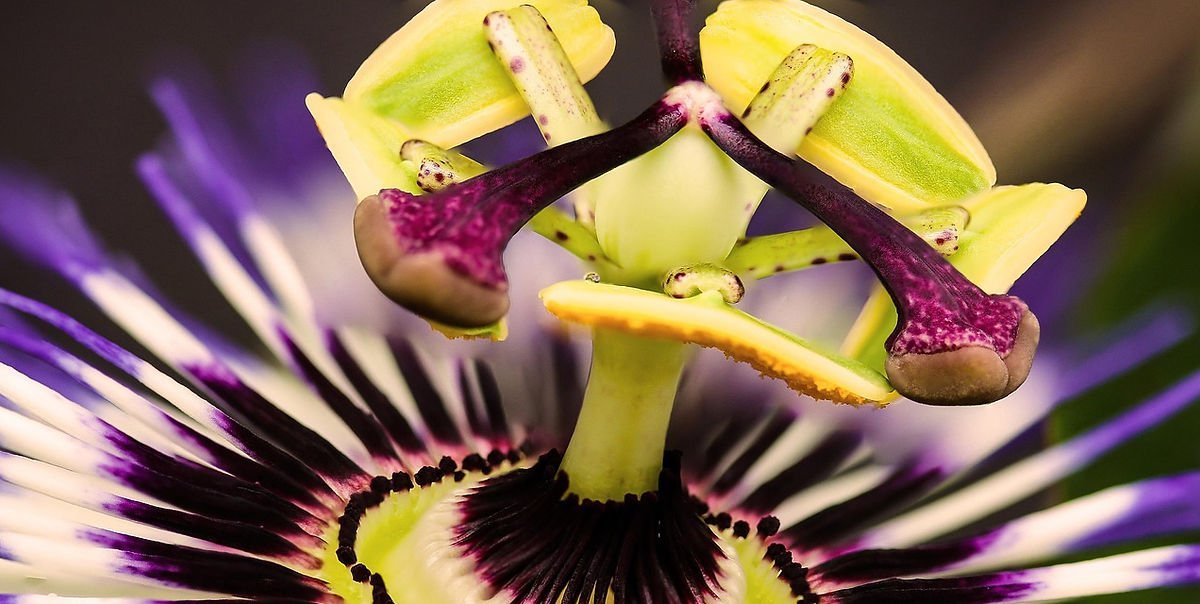
A flower may have just male parts, just female parts, or both. When a flower has both, it’s called hermaphroditic.
Why This Matters
This combination of male and female structures explains almost everything about how plants reproduce. Once you get these basics, the rest of plant reproduction becomes much clearer.
Types of Plant Sexual Systems
Plants use several reproductive “systems,” meaning they organize their male and female parts in different ways. Here’s where it gets interesting—and where most people get confused.
Dioecious Plants (Male and Female Plants Separate)
Dioecious plants have male plants and female plants, each doing their own thing. This is the closest plants get to animal-style sexes.
Examples include:
If you’re trying to grow fruit on a dioecious species, you need both a male plant (for pollen) and a female plant (to produce fruit).
Fun Fact
Some plants can change sex based on the environment. Papaya trees sometimes switch from male to hermaphrodite if conditions change.
Monoecious Plants (Male and Female Flowers on One Plant)
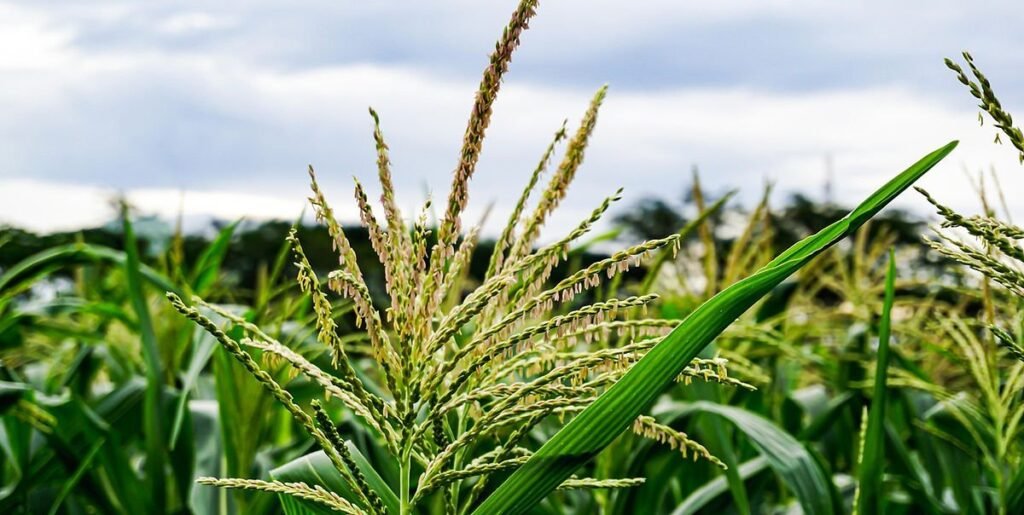
Monoecious plants produce both male and female flowers—but separately—on the same individual.
Examples:
Corn is a great example: the tassels at the top are the male flowers; the silks on the ears are the female flowers.
Hermaphrodite Plants (Both Sexes in One Flower)
Hermaphrodite flowers are the most common type on Earth. These flowers have both stamens and pistils.
Examples:
Because these flowers contain everything they need, they can self-pollinate or cross-pollinate, depending on species and conditions.
So Which Type Is “Normal”?
Most flowering plants are hermaphrodites. Dioecious plants—the ones with separate male and female individuals—are in the minority. But all three systems work beautifully for different ecological niches.
How Sexual Reproduction Works in Plants
Now that you know the parts and the systems, let’s walk through the process step by step. Think of this section as the “birds and bees,” but for plants—and yes, the bees still help.
1. Pollen Is Produced
Pollen is made in the anther. It contains the male gametes.
2. Pollen Has to Reach a Stigma
This is called pollination. It can happen in several ways:
Wind blowing pollen
Birds or bats feeding on nectar
Even water in aquatic plants
Pollination doesn’t guarantee fertilization. It just delivers the pollen.
Fun Fact
Vanilla orchids must be hand-pollinated in most places. The specific bee that evolved to pollinate them lives only in parts of Mexico.
3. The Pollen Tube Grows
Once a grain of pollen lands on a compatible stigma, it grows a tube down the style.
This tube is like a microscopic tunnel that carries the male gametes to the ovary.
4. Fertilization Happens
When the male gamete reaches an ovule, the two fuse. This creates a seed embryo—the start of a new plant.
5. Fruit Forms (Usually)
In many species, the surrounding ovary becomes fruit. This is why fruit is often described as a “mature ovary,” which sounds strange but makes perfect sense biologically.
Self-Pollination vs. Cross-Pollination
Both are forms of sexual reproduction, but they work differently.
Self-Pollination
A plant fertilizes itself using pollen from its own flower or another flower on the same plant.
Pros:
Guaranteed pollination
Good in environments without many pollinators
Cons:
Less genetic diversity
Higher chance of passing on weaknesses
Plants like peas and tomatoes are famous for self-pollinating, which is why they’re so reliable in gardens.
Cross-Pollination
Pollen moves from one plant to a different plant of the same species.
Pros:
More genetic variety
Stronger, more resilient offspring
Cons:
Requires pollinators or wind
Sometimes unreliable
Many fruit trees—including apples—require cross-pollination to produce a good crop.
Asexual Reproduction in Plants
Plants don’t always rely on sexual reproduction. Many can reproduce asexually, which creates clones of the parent plant.
Common Asexual Methods
Runners (strawberries)
Rhizomes (ginger, ferns)
Tubers (potatoes)
Cuttings (most houseplants)
Asexual reproduction gives plants a huge advantage. If conditions are good, they can spread fast without waiting for seeds to form or germinate.
But Is It Considered “Real” Reproduction?
Absolutely. Just not sexual reproduction. There’s no mixing of genetic material, but it still produces a new organism.
How Fruit and Seeds Form
Fruit and seeds start forming only after fertilization. This is why understanding plant sexes matters—only fertilized ovules become seeds.
Steps from Flower to Fruit
Pollen lands on stigma
Fertilization occurs
Ovule becomes a seed
Ovary around it develops into a fruit
In some species, fruits can form without seeds. This is called parthenocarpy. Bananas are one of the best examples.
Why Do Plants Make Fruit at All?
Fruit is basically a bribe. Plants use it to convince animals to carry seeds to new locations.
What About Plants Without Flowers?
Not all plants have flowers. Some reproduce using cones or spores instead.
Gymnosperms (Like Pine Trees)
Gymnosperms use male cones and female cones instead of flowers.
Male cones produce pollen
Female cones hold ovules
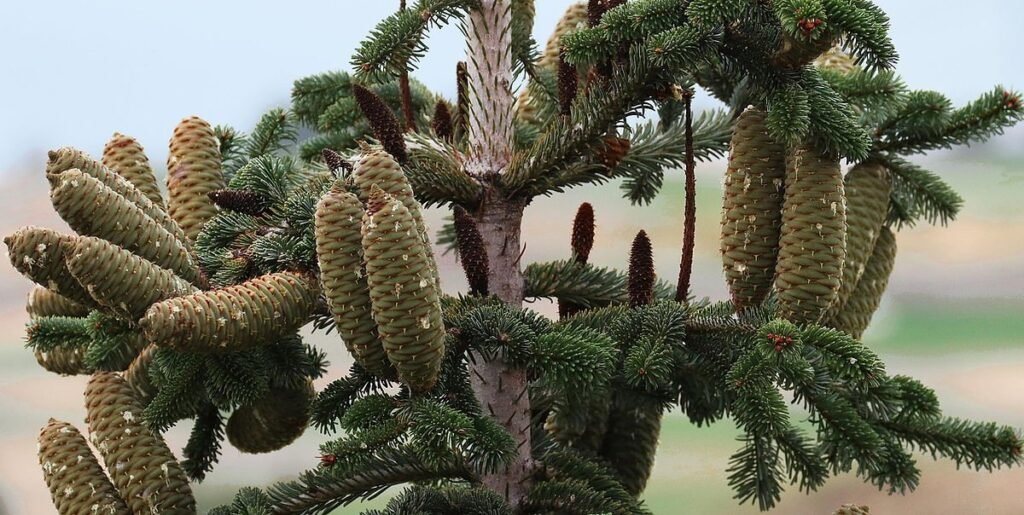
Wind carries the pollen between them.
Ferns and Mosses
These plants don’t use flowers, cones, or seeds.
They use spores—tiny single-cell reproductive units.
This is reproduction on a whole different level, and it goes back hundreds of millions of years in plant evolution.
Why Understanding Plant Sex Matters
Even if you’re not a botanist, knowing how plant reproduction works can help you with:
1. Gardening
You’ll understand why some plants won’t fruit without a pollinator partner or why your squash might be dropping flowers.
2. Plant Breeding
Crossing two plants on purpose is easier once you know which flowers are male and which are female.
3. Growing Food
Knowing whether a plant is dioecious, monoecious, or hermaphroditic helps you plan your garden layout.
4. Conservation
Some rare plant species rely on specific pollinators. Understanding their reproduction is key to protecting them.
The Bottom Line
Plants absolutely have sexes, but plant reproduction is far more flexible and creative than what we see in animals. Some plants have male and female individuals. Some have male and female flowers on the same plant. Some have both in each flower. And others skip sex completely and clone themselves.
Understanding all this gives you a deeper appreciation for the natural world and helps you grow stronger, healthier plants—whether you’re working with a backyard vegetable garden, houseplants, or a balcony full of herbs. Plants may seem simple, but their reproductive lives are full of intricate strategies that help them survive, adapt, and thrive.
********************
If you enjoyed learning about the hidden world of plant reproduction, share this article with someone curious about nature, or explore more topics on plant biology and growing healthy plants. And if you want help turning any scientific idea into friendly, readable content, we are always here to help.