

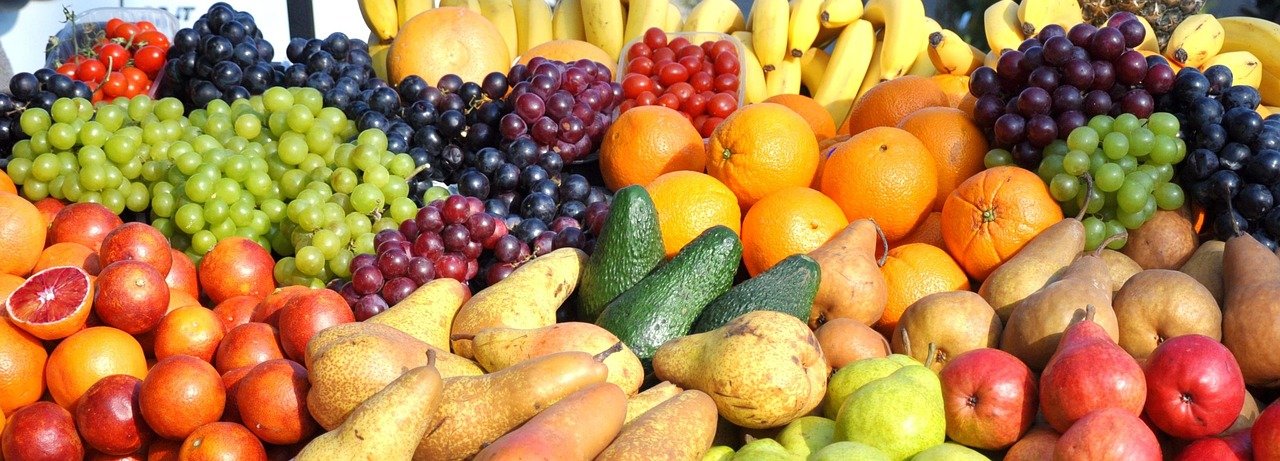
This article is about fruits, the clever little packages plants use to protect and spread their seeds.
“Fruits are nature’s way of packing seeds with style, travel plans, and a little taste of adventure.” – The Economic Botanist
When you bite into an apple, peel a banana, or savor a juicy grape, it’s easy to forget that fruits are more than just snacks. They’re a critical part of plant survival. Fruits protect seeds, help them travel far and wide, and even provide extra nutrients in some cases. Essentially, fruits are plants’ version of a delivery service—complete with armor, transportation, and sometimes even edible incentives.
In this deep dive, we’ll explore exactly what fruits are, how they develop, the different types you’ll find in nature, and the many ways seeds hitch a ride to new homes. By the end, you’ll see fruits in a whole new light—and maybe even impress your friends with your newfound plant wisdom.
What are Fruits?
At the most basic level, a fruit is a mature ovary from a flower, usually containing seeds. But here’s the twist: in some plants, other parts of the flower contribute to the fruit too. These are called accessory fruits. A classic example is an apple, where the juicy, tasty part you eat comes mainly from the flower base, not just the ovary.
The purpose of a fruit isn’t just to be delicious—it’s about survival. Fruits:
Protect seeds while they develop
Help seeds spread far from the parent plant
Sometimes provide nutrients to help seeds grow
Think of fruits as nature’s multi-tasking innovation: a protective shell, a transport system, and occasionally a meal ticket.
How Fruits Develop
Fruit development starts after a flower is fertilized:
Pollination occurs – Pollen lands on the stigma and fertilizes the ovule inside the ovary.
Seed formation – The fertilized ovule becomes a seed.
Ovary transformation – The ovary grows into a fruit, enclosing and protecting the seeds.
Some fruits, like pineapples, are even more complex. They form when multiple flowers fuse together, creating a compound fruit. This is why pineapples look so unique compared to a single apple or orange—they’re basically teamwork in action.
Types of Fruits
Fruits come in many shapes, sizes, and textures. Botanists generally classify them into three main categories: simple, aggregate, and multiple fruits.
Simple Fruits
Develop from one ovary of a single flower.
Can be fleshy or dry.
Fleshy examples: apple, tomato, peach
Dry examples: peas, peanuts, grains
Aggregate Fruits
Form from multiple ovaries of one flower.
Each tiny unit develops into a mini-fruit that clusters together.
Examples: strawberries, raspberries
Multiple Fruits
Form from the ovaries of multiple flowers growing in a cluster.
Each flower contributes a part to the overall fruit.
Examples: pineapple, fig
Understanding these categories helps you appreciate how diverse and clever fruit strategies are in nature. Some plants rely on a single flower to produce a fruit, while others bring together many flowers to create one spectacular package.
Dry vs. Fleshy Fruits
Fruits can also be classified based on their texture and how they release seeds:
Fleshy Fruits
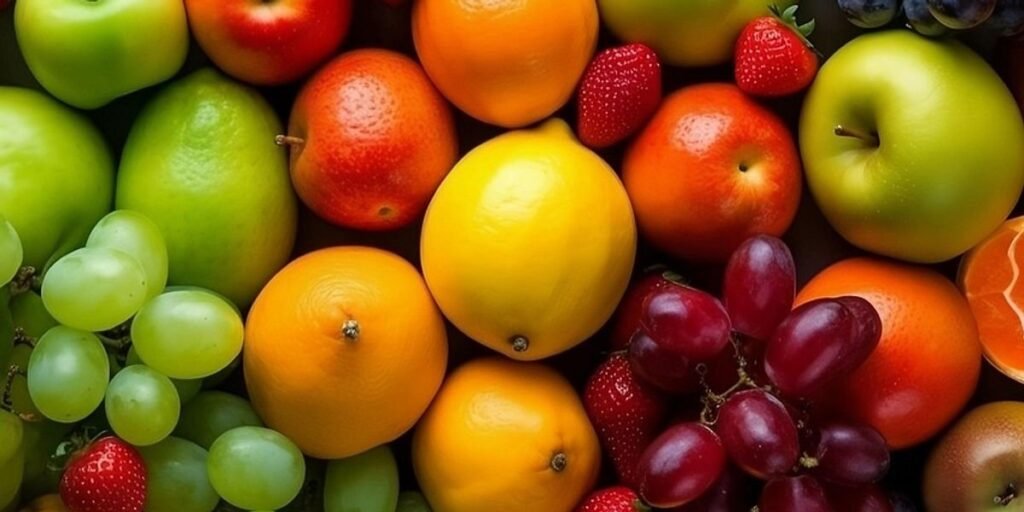
Soft, juicy, and often appealing to animals. These fruits rely on being eaten to help seeds travel. Animals eat the fruit and later deposit the seeds somewhere new.
Examples: oranges, mangoes, grapes
Fun Fact
Bananas are berries, but strawberries aren’t. Botanically, a berry is a fruit from a single ovary with seeds inside the flesh. Strawberries don’t fit this definition.
Dry Fruits
Dry fruits can be tough or papery when mature. Some split open to release seeds (dehiscent), while others stay closed (indehiscent).
Examples: beans, peanuts, sunflower seeds
By looking at a fruit, you can often guess how it spreads its seeds—juicy fruits usually rely on animals, while dry, lightweight fruits often use wind or mechanical dispersal.
Seed Dispersal: Fruits on the Move
One of the most fascinating aspects of fruits is their role in seed dispersal. Fruits have evolved amazing strategies to ensure seeds don’t just sit under the parent plant—they travel, sometimes for miles.
Animal Dispersal
Animals are natural delivery agents. Fruits may be:
Edible – animals eat the fruit and excrete the seeds elsewhere.
Sticky – fruits attach to fur or feathers for transport.
Hooked or barbed – cling to passing creatures for a ride.
Examples: berries, burdock seeds, coconuts (via ocean travel too)
Wind Dispersal
Some fruits are lightweight, winged, or fluffy, perfect for catching a breeze.
Examples: dandelions, maples, milkweed
Water Dispersal
Certain fruits are built to float, riding rivers, lakes, or oceans until they reach a new spot to grow.
Examples: coconuts, water lilies
Fun Fact
Coconuts can travel thousands of miles. Their fibrous husk allows them to float across oceans, often sprouting on distant shores.
Mechanical Dispersal
Some fruits have a surprise delivery system: they explode when mature, flinging seeds away from the parent plant.
Examples: peas, touch-me-not (Impatiens)
It’s incredible how fruits use physics, biology, and even a bit of trickery to make sure seeds survive and thrive.
Edible vs. Non-Edible Fruits
Not all fruits are safe (or tasty) for humans. While many are sweet or nutritious, others are bitter, tough, or even poisonous. Remember, in botanical terms, a fruit is defined by its development from a flower’s ovary, not by how it tastes.
Edible fruits: apple, mango, tomato, cucumber
Non-edible fruits: horse chestnut, castor bean, some wild berries
Fun Fact
Many vegetables are actually fruits! Tomatoes, cucumbers, peppers, and squash all count as fruits because they contain seeds. Next time someone argues “tomatoes are vegetables,” you’ll have a botanical comeback ready.
The Bottom Line
Fruits are more than just snacks—they’re an essential survival tool for plants. They protect seeds, help them travel, and sometimes provide nutrients to ensure new plants get the best start. Whether it’s a juicy strawberry, a tough coconut, or a cluster of tiny maple seeds floating on the wind, fruits are central to plant reproduction and ecological balance.
By understanding fruits, you see just how clever and resourceful plants are in getting their offspring out into the world. So the next time you enjoy a piece of fruit, remember: you’re holding a small but brilliant masterpiece of evolution in your hand.
*******************
Fruits are just one part of a plant’s story. Want to learn how seeds—the tiny powerhouses inside fruits—take over the world? Keep following our Botany 101 series and uncover the secrets of plant life, one seed at a time.