










This article is about why sacred fig (or Bodhi Tree) holds deep spiritual, cultural, and historical significance in Buddhism and beyond.
“A tree that witnessed awakening, standing tall through centuries—sometimes all it takes is a moment beneath its shade to change your life forever.” – The Economic Botanist
If you’ve ever heard about the Buddha’s enlightenment, you probably know it happened under a special tree. That tree is the Sacred Fig, also known as the Bodhi Tree. But what makes this tree so sacred? Why is it such a big deal not only in Buddhism but also in the culture and history of India and beyond?
In this article, we are going to take you on a journey through the fascinating story of the Sacred Fig (Ficus religiosa). Along the way, we’ll explore why this tree still matters today and what it symbolizes for millions around the world.
- What Is the Sacred Fig?
- The Bodhi Tree and the Buddha’s Enlightenment
- Bodh Gaya: The Site of the Bodhi Tree
- Religious and Spiritual Symbolism of the Sacred Fig
- The Sacred Fig in Other Religions and Cultures
- Historical and Modern Reverence of the Bodhi Tree
- Visiting the Bodhi Tree Today
- Why the Sacred Fig Still Matters Today
- Bottom Line
What Is the Sacred Fig?
Let’s start with the basics. The Sacred Fig, or Ficus religiosa, is a type of fig tree native to the Indian subcontinent. You might also hear it called the Bodhi Tree or Peepal Tree. It’s not just any tree—it’s special because of its long history and its role in spirituality.
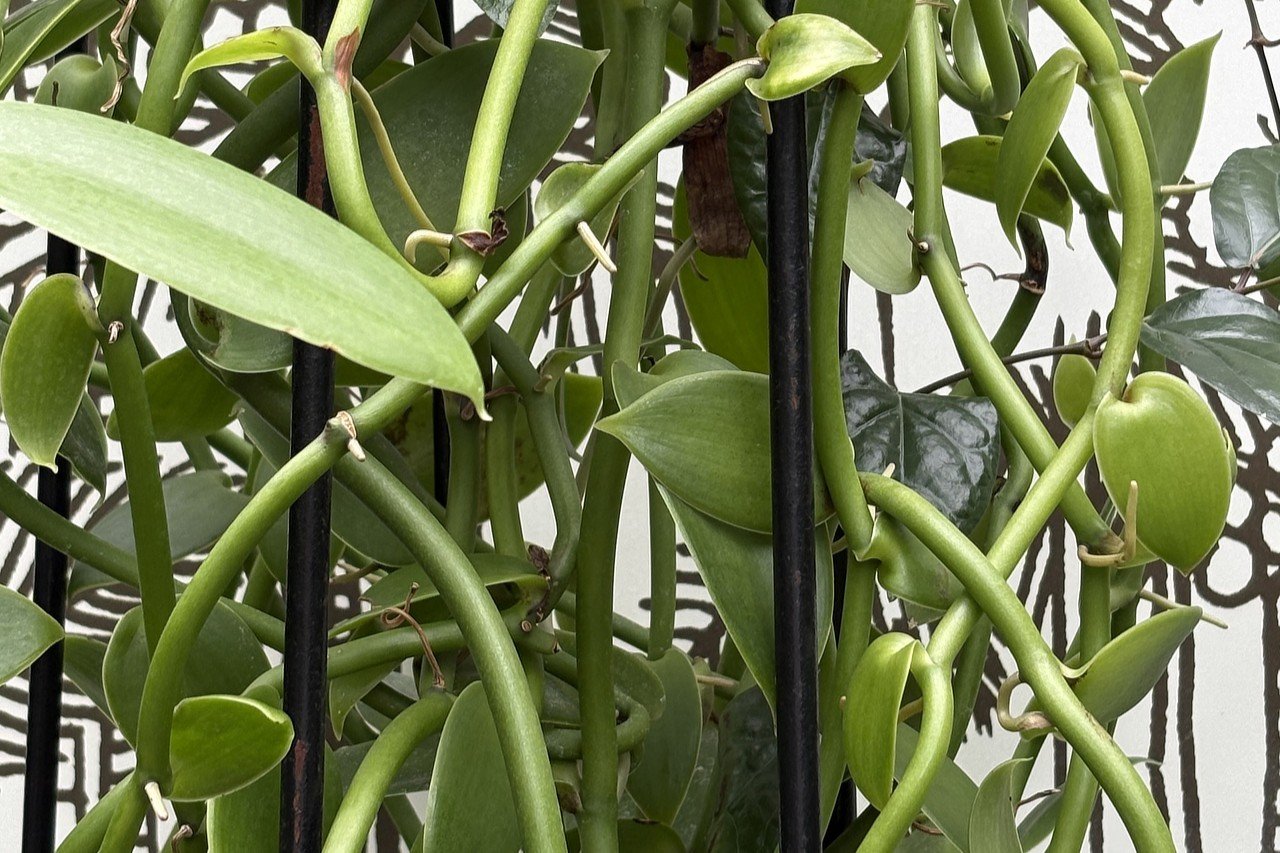
Physically, this tree has heart-shaped leaves with a distinctive pointed tip. It can grow quite tall—up to 30 meters (about 100 feet)—and live for hundreds of years, sometimes even over a thousand! Its bark is smooth, and its roots often spread wide and deep.
You’ll find Sacred Figs all over India, Nepal, Sri Lanka, and other parts of Southeast Asia. But what really makes they stand out isn’t just their size or appearance—it’s the spiritual significance these trees carry.

The Bodhi Tree and the Buddha’s Enlightenment
Now, here’s where things get interesting. The Bodhi Tree is famous because it’s the tree under which Siddhartha Gautama sat in deep meditation and found enlightenment. This was around 2,500 years ago, near a place called Bodh Gaya in India.
The word “Bodhi” means awakening or enlightenment in Sanskrit and Pali. Legend says Siddhartha, after years of searching for the truth about suffering and existence, finally reached full understanding and inner peace while meditating under this tree.
It is said that he sat there for 49 days without moving much, facing all sorts of mental challenges and distractions, until he realized the nature of suffering and how to overcome it. This moment changed the course of human history—it’s when he became the Buddha, which means “The Awakened One.”
This story is why the Bodhi Tree is more than just a plant—it’s a symbol of wisdom, patience, and spiritual growth.
Bodh Gaya: The Site of the Bodhi Tree
If you want to visit the actual place where this miracle happened, you’d go to Bodh Gaya in the Indian state of Bihar. This is one of the most important pilgrimage sites in the world for Buddhists.
The original Bodhi Tree lived for many centuries but eventually died. However, descendants of the tree have been planted and cared for through the ages. The current tree at Bodh Gaya is believed to be a direct descendant of the original Sacred Fig.
Bodh Gaya itself is recognized as a UNESCO World Heritage Site, attracting millions of visitors annually. Pilgrims come to meditate, pray, and soak in the peaceful atmosphere of this spiritual place.
Fun Fact
The Sacred Fig, or Bodhi Tree, isn’t just famous for its spiritual significance—it’s also one of the few trees that can produce both male and female flowers separately on the same tree, making it a botanical marvel in the fig family!
Religious and Spiritual Symbolism of the Sacred Fig
So, what does the Sacred Fig symbolize, beyond the story of the Buddha’s enlightenment?
In Buddhism, the tree represents awakening, knowledge, and enlightenment. The large canopy provides shelter and comfort, symbolizing protection from ignorance and suffering. The heart-shaped leaves remind many people of compassion and kindness, qualities central to the Buddha’s teachings.
The tree also plays a role in meditation practice. Sitting beneath or near a Bodhi Tree is thought to help focus the mind and inspire deep reflection. You might see monks and practitioners meditating under these trees in many Buddhist temples around the world.

The Sacred Fig in Other Religions and Cultures
While the Sacred Fig is most famous in Buddhism, it’s also important in other traditions like Hinduism and Jainism.
In Hinduism, the tree is linked to Lord Vishnu and is often planted near temples. It’s considered sacred and is sometimes worshipped directly.
Jainism also holds the tree in high regard because of its association with enlightenment and spirituality.
In Indian culture more broadly, the Sacred Fig is a symbol of life and fertility. It features in folklore and traditional medicine. For example, the leaves, bark, and fruit have been used for centuries in Ayurvedic treatments.

Historical and Modern Reverence of the Bodhi Tree
People have respected the Bodhi Tree for thousands of years. Ancient texts mention it, and pilgrims traveled long distances to visit the tree even centuries ago.
Today, conservation efforts are in place to protect these trees, especially at key pilgrimage sites like Bodh Gaya. This is important because the trees face threats from pollution, climate change, and human interference.
Communities around the world continue to care for the Sacred Fig, keeping alive its spiritual legacy. It’s not just a relic of the past; it’s very much alive and meaningful in modern spiritual practices.
Visiting the Bodhi Tree Today
If you’re thinking about visiting the Bodhi Tree or any Sacred Fig tree, here’s what you should know:
Location: Bodh Gaya is the main pilgrimage site, but you can find Sacred Figs near many Buddhist temples and monasteries worldwide.
What to Expect: The site is peaceful and sacred. Visitors often meditate, offer flowers, or quietly reflect.
Etiquette: Respect the space—avoid loud talking or disruptive behavior. Dress modestly.
Timing: Many people prefer to visit during full moon days or Buddhist festivals.
Why the Sacred Fig Still Matters Today
You might wonder, why is this tree still relevant thousands of years after the Buddha’s enlightenment?
Because the Sacred Fig reminds us about connection—to nature, to wisdom, and to our own inner journey.
Here’s what it can teach us:
Patience and perseverance: Like the Buddha’s 49 days of meditation, growth and change take time.
Rootedness and stability: The tree’s strong roots symbolize staying grounded amid life’s challenges.
Growth and awakening: Just as the tree grows and flourishes, so can our understanding and compassion.
In a world that’s often busy and noisy, sitting beneath a Sacred Fig or simply knowing its story can help you reconnect with what matters most.
Bottom Line
So, what do you think? The Sacred Fig is more than just a tree—it’s a living symbol of enlightenment, history, and spiritual connection. Whether you’re interested in Buddhism, nature, or just a good story, the Bodhi Tree has something for you.
*********************
If you want to experience a bit of that magic, consider visiting a local Sacred Fig tree or, if possible, make a trip to Bodh Gaya. Take some time to sit quietly, breathe deeply, and reflect on what enlightenment means for you. And if you found this story inspiring, why not share it with a friend or dive deeper into the teachings of the Buddha? Sometimes, a moment under a tree can be the start of your own awakening.