







This article is about how photosynthesis powers life on Earth!
“The closer you look at a single leaf, the more you realize the world is powered by quiet, green miracles.” – The Economic Botanist
Plants may not move around or make noise, but they’re busy doing something that keeps every living thing on Earth alive: photosynthesis. If you’ve ever wondered how a plant “eats,” why sunlight is such a big deal, or why forests are often called the lungs of the planet, you’re in the right place.
By the time you finish this article, you’ll understand what photosynthesis is, where it happens, how the photosynthesis process works step-by-step, and why it matters to your life (yes, yours—even if you don’t garden or own a single houseplant). You’ll also get helpful diagrams in your mind, clear definitions, and a deeper appreciation for the green world around you.
- Photosynthesis: What It Is and Why It Matters
- Where Photosynthesis Happens in a Plant
- The Two Main Stages of Photosynthesis
- Understanding the Photosynthesis Equation
- Factors That Affect the Rate of Photosynthesis
- Types of Photosynthesis: C3, C4, and CAM Plants
- Photosynthesis vs. Cellular Respiration
- Common Questions About Photosynthesis
- Photosynthesis for Kids
- The Bottom Line
Photosynthesis: What It Is and Why It Matters
Photosynthesis is the process plants, algae, and some bacteria use to turn sunlight, water, and carbon dioxide into glucose (a sugar) and oxygen. If you boil it down, photosynthesis is how plants make their own food—earning them the name autotrophs, or “self-feeders.”
You might not think about it when you’re walking through a park or eating a salad, but photosynthesis does two giant jobs for our planet:
It creates oxygen, which you breathe.
It creates glucose, which feeds plants—and eventually feeds everything else, including you.
In other words, if photosynthesis ever took a vacation, life on Earth would have a major problem.
This process also forms the base of all food chains. Whether you’re looking at a blade of grass or a massive forest, everything that eats—cows, insects, humans—depends on the energy plants trap from sunlight.
Fun Fact
A single mature tree can produce enough oxygen in a year for two people to breathe comfortably.
The importance of photosynthesis stretches even further. It keeps Earth’s carbon cycle in balance. It shapes ecosystems. It influences climate. Without it, there would be no forests, no fruits, no oceans full of life, and no oxygen-rich atmosphere.
Not bad for something happening quietly inside tiny green structures you can’t see with your eyes.
Where Photosynthesis Happens in a Plant
You can’t talk about photosynthesis without talking about chlorophyll, chloroplasts, and leaf structure. These are the backstage workers making the whole show run.
Chloroplasts: The Photosynthesis Factories
Chloroplasts are the little green “energy factories” inside plant cells. If you looked at one under a microscope, you’d see:
Thylakoids: flat, pancake-like stacks
Grana: stacks of thylakoids
Stroma: the liquid space around them
Each part has a special job. The light-dependent reactions happen in the thylakoid membranes, while the light-independent reactions (the Calvin cycle) happen in the stroma. Think of these as two rooms in the same factory, where different steps of the photosynthesis process take place.
Chlorophyll: The Pigment That Makes Plants Green
Chlorophyll is the pigment that gives leaves their color and captures sunlight. It’s the reason plants can absorb the right wavelengths of light to kick off the chemical reactions that produce glucose and oxygen.
Leaf Structure: Built for Sunlight
A leaf looks simple from the outside, but inside, it’s designed for efficiency:
The upper layer catches sunlight
The middle layer holds chloroplast-rich cells
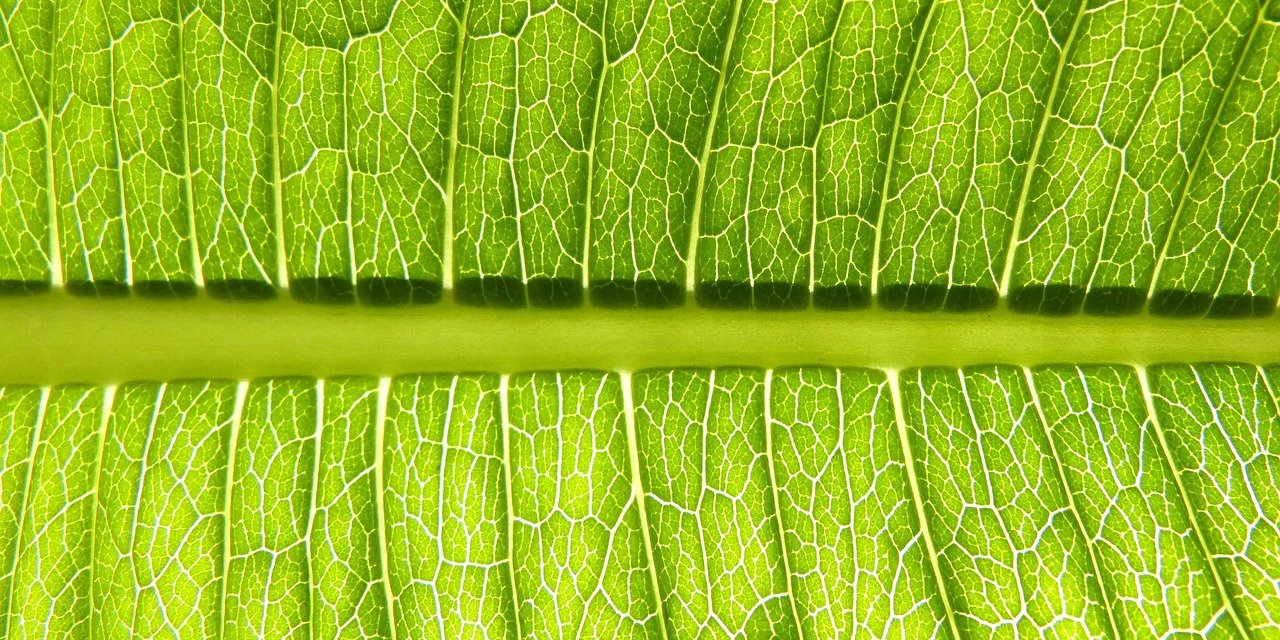
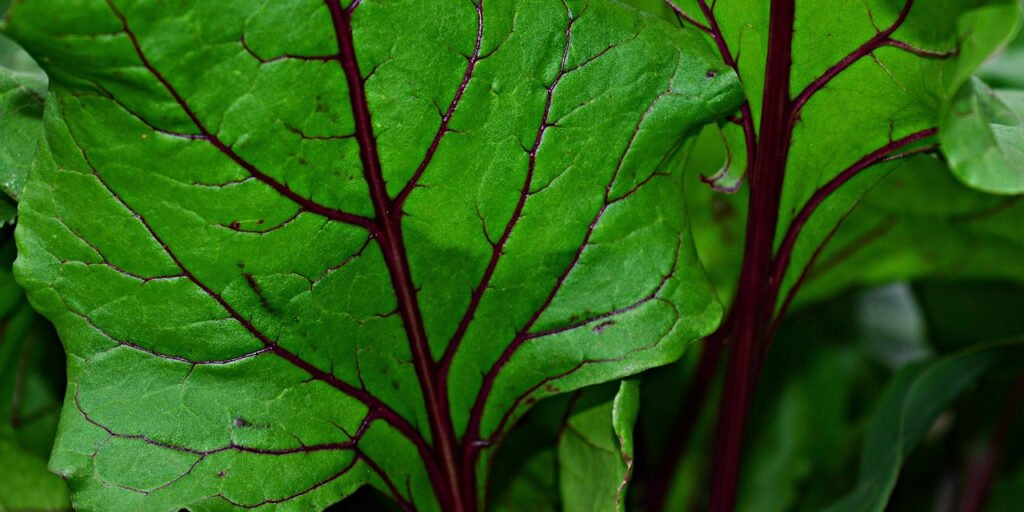
Veins carry water in and glucose out
Stomata allow carbon dioxide to enter and oxygen to leave
Fun Fact
Some deep-sea bacteria perform a form of photosynthesis using geothermal light from hydrothermal vents instead of sunlight.
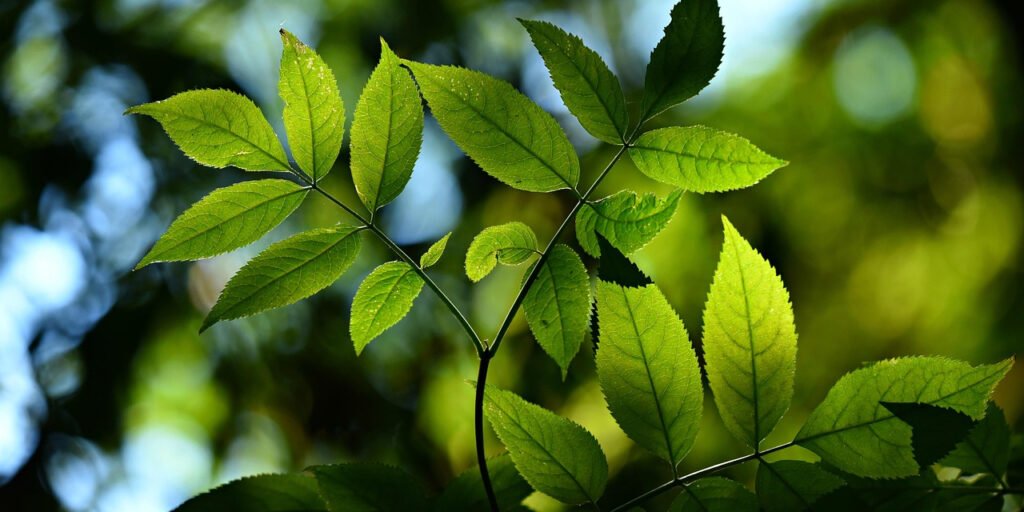
When you see a leaf on a tree or even a blade of grass, remember: it’s not just a leaf—it’s a complete solar-powered chemical factory.
The Two Main Stages of Photosynthesis
Photosynthesis is often broken down into two big stages. Think of these stages like chapters in a story: one that needs sunlight directly, and one that doesn’t—but still depends on what sunlight produces.
1. Light-Dependent Reactions
These reactions need light, and they take place in the thylakoid membranes of the chloroplasts.
Here’s what happens:
Sunlight hits chlorophyll and excites electrons
Water molecules split apart
Oxygen is released (this is the oxygen you breathe)
Energy-carrying molecules (ATP and NADPH) form
You can think of these reactions as charging up a battery. The plant gathers light, splits water, and stores energy that will be used in the next stage.
2. Light-Independent Reactions: The Calvin Cycle
You may also see this called the Calvin cycle or dark reactions, though the name “dark” can be misleading. These reactions don’t need light directly, but they use the molecules created during the light-dependent stage.
This stage happens in the stroma.
Here’s what the Calvin cycle does:
Takes in carbon dioxide
Uses ATP and NADPH
Builds glucose through carbon fixation
If the first stage is the charging part, the Calvin cycle is the “spending” part—where the plant uses stored energy to build sugar molecules.
Plants then use glucose to:
Grow
Repair cells
Store energy (as starch)
Produce other molecules like cellulose
This is the heart of the photosynthesis process.
Understanding the Photosynthesis Equation
A lot of people get nervous when they see an equation, but don’t worry—this one is surprisingly friendly when you break it down.
6CO₂ + 6H₂O + sunlight → C₆H₁₂O₆ + 6O₂
Let’s decode it:
CO₂ (carbon dioxide) comes from the air
H₂O (water) comes from the soil
Sunlight powers everything
C₆H₁₂O₆ (glucose) is the sugar plants make
O₂ (oxygen) is released
It summarizes the entire photosynthesis process in one line.
Glucose gives the plant energy, and oxygen gives YOU life. It’s a neat trade-off.
Factors That Affect the Rate of Photosynthesis
Photosynthesis doesn’t run at full speed all the time. Several things can boost or slow down how quickly plants convert light into energy.
Light Intensity
More light = more energy. Up to a point, of course. Plants can get “sunburned” or reach a saturation point where more light doesn’t help.
Carbon Dioxide Levels
CO₂ is a raw material in the Calvin cycle. More CO₂ can increase the rate of photosynthesis, which is why greenhouse environments often pump in extra CO₂.
Temperature
Enzymes drive chemical reactions. If it’s too cold, photosynthesis slows down. If it’s too hot, enzymes break down.
Water Availability
Plants need water for splitting molecules during the light-dependent reactions. Lack of water also closes stomata, reducing CO₂ intake.
Leaf Health and Age
Young, healthy leaves tend to photosynthesize more efficiently than older or damaged leaves.
Understanding these factors helps farmers grow crops, gardeners support their plants, and scientists study plant ecosystems.
Types of Photosynthesis: C3, C4, and CAM Plants
Not all plants play by the same rules. Depending on the environment, plants have developed different types of photosynthesis.
C3 Plants
Most plants fall into this category. They use the “standard” version of the Calvin cycle.
Common examples:
Rice
Wheat
Maple trees
C3 photosynthesis works best in mild climates.
C4 Plants
C4 plants are adapted to hot, sunny environments. They minimize water loss and handle high temperatures well.
Examples:
Corn
Sugarcane
Sorghum
They use a special pathway that helps them fix carbon more efficiently under stress.
CAM Plants
CAM plants open their stomata at night, not during the day. This helps them save water.
Examples:
Cacti
Succulents
Pineapple
They store CO₂ overnight, then complete photosynthesis during the day. It’s a survival trick for dry climates.
Photosynthesis vs. Cellular Respiration
Photosynthesis and cellular respiration are partners in keeping life going.
Here’s a simple way to think about it:
Photosynthesis stores energy in glucose
Cellular respiration releases energy from glucose
Plants actually do both. They make glucose during the day, then use cellular respiration to break it down for energy at night.
To make it even clearer:
| Process | Purpose | Requires | Produces |
| Photosynthesis | Makes glucose | Sunlight, CO₂, H₂O | Glucose + O₂ |
| Cellular respiration | Breaks glucose for energy | Glucose + O₂ | CO₂, H₂O, ATP |
You and I only do the second step. Plants do both—which is pretty impressive.
Common Questions About Photosynthesis
It’s totally normal to have questions, and these are the ones that most people bring up when learning about the photosynthesis process.
Why do plants need sunlight?
Sunlight excites electrons in chlorophyll, which starts the entire chain of reactions that create glucose.
Do plants photosynthesize at night?
Not the light-dependent stage. But they often continue the Calvin cycle using the energy molecules they’ve already made.
Why are plants green?
Chlorophyll absorbs red and blue light but reflects green light, which is what you see.
Do algae and bacteria do photosynthesis?
Yes. Algae use chloroplasts, while some bacteria use different pigments and structures. But the basic idea—turning light into energy—remains the same.
Is photosynthesis the same in every plant?
No. That’s where C3, C4, and CAM pathways come in.
Photosynthesis for Kids
If you want a classroom-friendly version—maybe for teaching, homeschooling, or young readers—here’s an easy explanation:
Photosynthesis is how plants make their own food. They use sunlight like a battery charger. They take water from the soil and carbon dioxide from the air. Inside their leaves, they mix everything together to make sugar, which helps them grow. The extra oxygen they make gets released back into the air for us to breathe.
You can think of a plant like a tiny green kitchen. Sunlight is the stove, water and carbon dioxide are the ingredients, and glucose is the final meal.
It’s really that simple.
The Bottom Line
Photosynthesis may seem like a complex process, but at its heart, it’s a story of sunlight being turned into life. Plants capture energy, create glucose, and release oxygen—and because of that, everything from insects to humans to giant ecosystems can survive.
When you understand photosynthesis, you’re not just learning plant biology. You’re learning how the planet breathes, grows, and stays alive. You’re seeing how light becomes food, how water becomes energy, and how leaves quietly power the world every single day.
It’s one of the most important processes ever discovered, and one we depend on more than we usually realize.
********************
If you found this guide helpful and want to learn more about plant biology, ecosystems, or scientific concepts explained in everyday language, stick around. Let’s keep learning together—one green miracle at a time.