








Scientific name: Taraxacum officinalis L.
Family: Asteraceae
You might know dandelion as that sunny yellow flower popping up in every crack of the sidewalk or sprawling across your lawn. But did you know this humble plant is a botanical superstar—packed with nutrition, steeped in history, and full of surprises?
In this Plant Compendium entry, we’re here to walk you through everything you need to know about dandelion. We’ll break it down in easy-to-follow sections, backed by real research—and I promise the science will stay friendly. So lace up your horticultural boots, and let’s explore the amazing dandelion together!
History of Dandelion
Dandelion has been part of human history for centuries. Native to Europe and Asia, it traveled across the globe on settlers’ shoes, eventually naturalizing in North America. Traditionally, people have used every part of the dandelion—roots for tea, leaves for salad, and flowers for wine. Medieval herbalists praised it as a purifying herb, calling it “dent de lion” (meaning “lion’s tooth,” a reference to its jagged leaves). Over time, dandelion has earned its spot in folk medicine, cuisine, and ecological lore.
Botanical Description
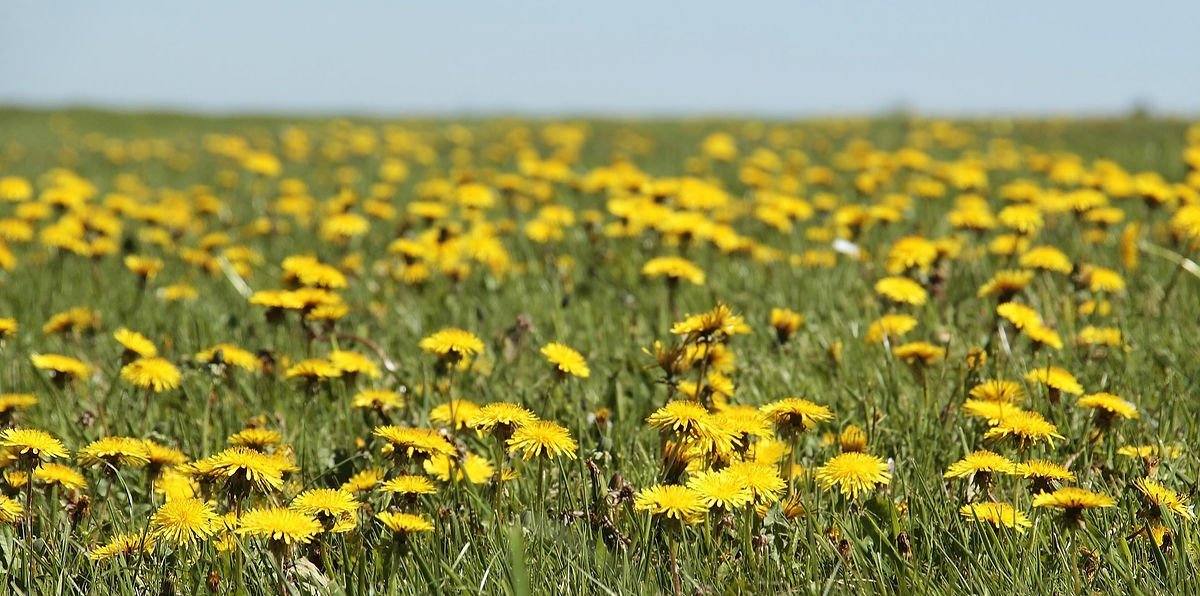
Dandelion is a hardy, herbaceous perennial widely distributed across temperate regions. Easily recognized by its bright yellow composite flowers and deeply toothed leaves, dandelion reproduces prolifically through wind-dispersed seeds. Though often regarded as a weed, its roots, leaves, and flowers have been traditionally used in nutrition and medicine.
Roots: Dandelion has a deep taproot that can reach over 15 cm (6 inches) into the soil. These roots store nutrients, helping the plant survive drought and return each season. Ever pulled a dandelion and found the root left behind? That’s why—its taproot is tenacious and well-anchored.
Stems: The plant lacks a traditional stem. Instead, it boasts a hollow flower stalk called a scape. It rises straight from the ground, carrying a single bright yellow flower at its tip.
Leaves: The leaves grow in a rosette close to the ground. They’re long, deeply toothed (“lion’s teeth”), smooth, and hairless, typically 5–25 cm long. The leaves contain a milky latex that’s bitter and slightly sticky.
Flowers: Each “flower” is actually a composite of up to 200 tiny florets. These bright yellow petals unfurl into the iconic dandelion shape. Flowers are open during the day and close at night or in wet weather.
Fruits: After pollination, the flower transforms into a spherical seed head—often called a dandelion clock. This puffball is a globe of fluffy parachute-like structures.
Seeds: Each floret becomes a single seed (achene) attached to a tuft of silky fibers that catch the wind. That’s how dandelions spread far and wide.

Growing Instructions
Here’s everything you need to know to get dandelion off to a great start:
Sunlight: Give them full sun for the best flavor. Partial shade will still work, but leaves may get less vibrant.
Soil: Dandelions aren’t picky—loamy or sandy soils with good drainage are ideal. They’ll tolerate poor soil, but they thrive in fertile ground.
Temperature: These hardy plants grow best between 10–25 °C (50–77 °F). They can survive mild frost, but extreme heat or freezing isn’t their jam.
Watering: Keep soil evenly moist during establishment. Once mature, they’re drought-tolerant, but regular watering promotes better leaf growth.
Spacing: If you want a patch, space plants about 15–20 cm (6–8 in) apart. Too close, and they’ll crowd each other.
Pruning: Trim off spent flowers if you don’t want them to go to seed. This helps prolong the season of tender edible leaves.
Support: These resilient plants don’t require staking or support.
Life Cycle: Dandelion follows a typical annual-biennial-perennial cycle:
Germination: Seeds sprout within 10–14 days under good conditions.
Vegetative Growth: The plant spends its first year focusing on leaf development and establishing roots.
Flowering: In spring and fall, dandelions burst into bloom. Whether it becomes annual, biennial, or perennial depends on local conditions—climate and care.
Fruit Set: After pollination (though often self-pollinated), the seeds form those iconic puffballs.
End of Season: After seed dispersal or frost, plants may persist or die back. Taproots often survive to regrow or freshen up in the next season.
Harvesting and Foraging
Harvesting
Leaves: Pick young, tender leaves in spring before flowers open. Older leaves get bitter.
Flowers: Gather bright yellow flowers midday when fully open. Left alone, they’ll form seeds.
Roots: Best harvested in fall of second year when roots have stored maximum nutrients. Clean them well and dry for tea or tincture.
Foraging
Foraging dandelions? Here’s your checklist:
Avoid lawns treated with herbicides or pesticides.
Choose clean, chemical-free areas like pastures or wild meadows.
Respect local plant foraging laws. In many areas, dandelions are free for the taking.
Harvest small amounts from each plant to let the population persist.
Plant Companions
Even a scrappy plant like dandelion can play well with others:
Good neighbors:
Not-so-great roommates:
Plants with aggressive root systems may crowd them out—so give dandelions their own space.
Common Pests and Diseases
Dandelions are tough, but a few guests can arrive uninvited:
Aphids: Tiny, sap-sucking insects. Wash them off or encourage ladybugs.
Leaf miners: Cause squiggly lines in leaves. They’re more an aesthetic problem than severe damage.
Powdery mildew: White powder on leaves in humid conditions. Promote airflow, water at the base, and trim affected areas.
Slugs/snails: Love tender young leaves. Beer traps or friendly barriers (like crushed eggshells) can help.
Shopping Tips
Want to start from nursery-grown plants or seeds?
Seeds: Choose certified organic dandelion seeds to reduce contamination risk.
Seedlings or transplants: Pick healthy plants with strong root systems from reputable nurseries.
Local harvest: If foraging, always follow safe harvesting rules and obtain permissions when needed.
Storage
Storing dandelion parts properly ensures freshness and flavor:
Leaves: Wash, pat dry, then pack loosely in a sealed bag with a paper towel. Keep in fridge for up to a week.
Flowers: Store cold–dry on paper towels or freeze in ice cube trays with water/oil for later use.
Roots: Clean, then slice and dehydrate or roast. Store dried roots in airtight containers in a cool, dark place.

Culinary Uses
Your favorite part! Here’s how to bring dandelion to your table:
Salads & Greens: Young leaves are tender and slightly bitter. Add them raw to salads alongside sweeter greens for a flavor balance. Sauté older leaves with garlic and olive oil to mellow bitterness—great as a side or pizza topping.
Soups & Stews: Use leaves like spinach or kale in soups. For example, knock-knock minestrone or hearty bean soups.
Flowers: Dip flower heads in tempura batter for fun, edible fritters. Make dandelion fritters by combining flowers with chickpea flour, spices, and frying them. Infuse flowers into honey or syrups, drizzle them onto pancakes.
Tea & Coffee Substitutes: Roast and grind roots to brew a caffeine-free dandelion coffee—nutty, earthy flavor. Dandelion leaf tea works as a mild diuretic and gentle herbal infusion.
Health Benefits
Nature gave dandelion serious wellness potential. Check this out:
Nutrients: Leaves are full of vitamins A, C, and K, plus minerals like calcium, iron, and potassium. Flowers and roots carry antioxidants, too.
Digestive Health: Dandelion root contains inulin, a prebiotic fiber that supports gut health. Plus, the plant is known as a gentle liver tonic.
Anti-Inflammatory Properties: Compounds like luteolin help reduce inflammation—supporting both digestion and immune response.
Diuretic Effect: Leaves and tea boost urine production, supporting kidney function and reducing water retention.
Blood Sugar & Cholesterol: Research shows potential for dandelion extract to help regulate blood sugar levels and cholesterol, though more human trials are needed.
Toxicity and Safety
For most people, dandelion is safe, but a few considerations:
Allergy: If you’re allergic to ragweed or related plants, take caution—dandelion could trigger reactions.
Medication Interactions: Diuretic or blood sugar drugs could interact with dandelion’s effects—get advice from a healthcare provider.
Latex Sensitivity: The plant’s milky sap may irritate those with latex allergies.
Environmental Impact
Dandelions are ecological superstars. Here’s why:
Pollinators love them: Bees, butterflies, and other insects rely on early-blooming dandelions for nectar.
Erosion fighters: The deep taproot breaks compacted soil, improving structure and preventing erosion.
Carbon cycling: Having plants year-round (like dandelion) helps soil absorb and store carbon.
Biodiversity boosters: Common but beneficial—they help support food webs in our ecosystems.
One note: if you’re aiming for a perfectly manicured lawn, dandelions are seen as weeds—so there’s a balance between ecological benefit and lawn aesthetics.