







This article is about poisonous plant folklore, the myths behind famous toxic herbs, and why cultures across the world often treat these plants as holy, cursed, or something in between.
“Every dangerous plant carries two stories: the one nature wrote, and the one we told to make sense of it.” – The Economic Botanist
For as long as people have walked the earth, we’ve shared legends about plants that can heal, harm, or confuse. It makes sense—when a single leaf or berry can change a life so dramatically, your ancestors paid attention. They wrapped these plants in tales, warnings, rituals, and sometimes even blessings. And as you’ll see, poisonous plants like belladonna, hemlock, oleander, and datura became more than just part of the landscape. They became symbols of power, mystery, knowledge, and danger.
In this article, we’ll explore why these plants gained mythic status, how healers and “witches” were tied to toxic herbs, what ancient economies built around dangerous plants looked like, and how modern culture still struggles with fear and fascination today.
Cursed or Sacred? Why Toxic Plants Become Mythic
Toxic plants have something most harmless plants don’t: a built-in story. When a plant can cause illness or strange symptoms, people notice. And when they don’t fully understand how it works (as was the case for most of human history), they fill in the gaps with mythology.
Fear and fascination work together
You might think people would simply avoid dangerous plants. But humans are curious. And when something feels risky, mysterious, or unpredictable, we tend to build meaning around it. Toxic plants became dramatic characters in our folklore because they carried the perfect mix of:
striking beauty
unpredictable effects
rarity in some regions
powerful symbolism (life, death, transformation, protection)
A plant that can do “too much” rarely stays ordinary in a story.
The beauty–danger paradox
A lot of poisonous plants are stunning. Oleander’s flowers are bright and lush. Belladonna has glossy berries that look sweet and harmless. Datura blooms like a white or purple trumpet. Humans are drawn to things that appear beautiful yet are dangerous—it’s the same reason fairy tales use glowing apples or forbidden gardens.
Cultures often turned this contrast into lessons:
Don’t judge by appearances
Beauty can hide danger
Power must be respected
These themes show up again and again in myths tied to toxic plants.
Case examples from folklore
Belladonna earned names like “deadly nightshade” not only because it was toxic, but because stories claimed witches used it in rituals or that spirits lived inside its berries. Its name itself—“beautiful woman”—comes from a Renaissance practice where women supposedly used tiny drops to dilate their eyes and look more alluring. Whether that was common or exaggerated, the folklore stuck.
Oleander shows up in Mediterranean stories as both a protector and a warning symbol. You see it planted along roads across warm climates today, but older stories framed it as a guardian plant that could ward off misfortune—while still reminding people to handle it with care.
Fun Fact
Oleander wood was once carved into small charms in Mediterranean villages—not for magic, but simply because it was easy to shape. Later storytellers added supernatural meaning that wasn’t originally there.
These tales helped communities remember which plants were dangerous long before modern science explained why.
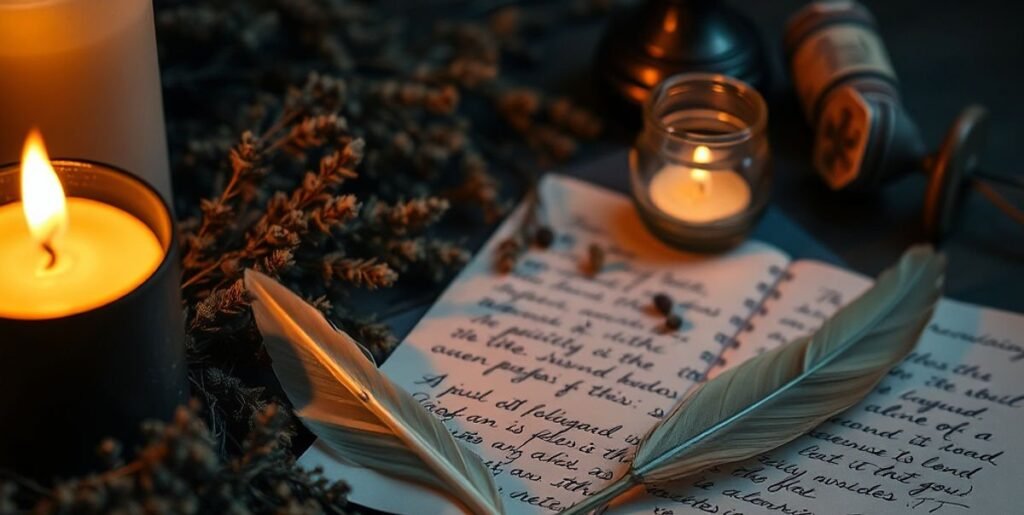
Poison as Power: Healers, Witches, and the Weight of Knowledge
For most of history, knowledge about plants came from experience, careful observation, and stories passed down through generations. That meant someone in your village knew which herbs soothed pain and which ones you should never touch. That knowledge was power—and sometimes a burden.
The healer’s paradox
Healers across cultures often learned about poisonous plants not because they wanted to cause harm but because understanding danger kept people safe. Many toxic plants also had valued cultural or symbolic uses, or they were part of rituals meant to communicate with the divine. This led to a complicated role for healers:
They were trusted because they understood nature.
They were feared because they understood nature.
You can imagine how easy it was for someone’s respect to turn into suspicion.
When knowledge became suspicion
Throughout European history (and in many other parts of the world), women with deep plant knowledge were sometimes labeled as “witches.” This wasn’t always because they were doing anything strange—often, they were simply midwives, midwives’ apprentices, or herbalists who knew a little more than the average person.
Plants like belladonna and datura became linked with witchcraft not only because of folklore, but because people associated any plant-based expertise with the supernatural. Poisonous plants in particular were seen as tools of hidden influence. That reputation stayed, even if the real use was more symbolic or spiritual.
Ritual, visions, and symbolic meanings
Many toxic plants show up in ritual stories, not because people used them in daily life, but because they represented something larger:
Datura often appears in stories about visions or communication with the spirit world.
Hemlock became tied to justice and fate, especially in stories retelling the death of Socrates.
Mandrake, a relative of belladonna, appears in countless stories about magic, transformation, and protection.
Fun Fact
In some parts of ancient Europe, people believed mandrake roots screamed when pulled from the ground. This idea showed up in stories, art, and even early medical texts.
These stories aren’t instructions—they’re symbols. The plants became metaphors for the power humans feared but could never fully control.
Dangerous Plants and the Economies They Built
When we talk about toxic plants today, we tend to think of warning signs or government regulations. But in the past, dangerous plants were also valuable. They played roles in trade, medicine, spiritual life, and politics.
Ancient trade in powerful botanicals
Long before global shipping, valuable plants traveled across continents by foot or boat. Some of these were risky plants or resins that were believed to have strong effects, sacred properties, or protective powers. People didn’t always know why they worked—or even if they worked—but the stories alone made them worth trading.
Solanaceous plants in early medicine and ritual
Plants in the Solanaceae family—such as belladonna, mandrake, and henbane—were widely known in Europe, the Middle East, and Asia. They often appear in stories about transformation, protection, sleep, dreams, or prophecy. They were treated as special plants, not because people were eager to use them casually, but because their presence in nature felt meaningful.
Poison and political power
In royal courts across many regions, dangerous plants played a symbolic role in politics and intrigue. Stories from ancient Greece, medieval Europe, and imperial courts across Asia describe rulers keeping certain plants locked away—not for everyday use, but because controlling rare and powerful botanicals showed status and influence.
Regulation before science
Even without modern chemistry, ancient societies sometimes placed restrictions on certain plants. Priests, healers, or rulers controlled access. This early form of regulation shows just how important—or feared—these plants were within cultural life.
Modern Issues: Pharmaceuticals, Regulations, and Taboos
Even though we live in a world of scientific testing and safety labels, poisonous plants still stir up strong emotions. When you hear the name “deadly nightshade” or “hemlock,” a part of you tenses up. But modern science has helped us understand these plants in a new way.
Pharmaceuticals that come from toxic plants
Many modern medicines (especially heart medications, neurological treatments, and muscle-related drugs) were originally studied because they came from plants known to have strong effects. Researchers separated the dangerous parts from the helpful ones and built safer treatments from there. It’s another example of how something risky in nature can teach us a lot about biology.
Regulations and cultural caution
Government agencies around the world now regulate how certain plants are handled, processed, or stored when used for scientific or medical purposes. These regulations are strict for a reason: safety matters. But they also reflect a long-standing cultural belief that dangerous plants deserve respect.
Why taboos still exist
Even if you never plan to handle a plant like oleander or datura, you probably know someone who warns you to stay far away from them. That fear isn’t new—it’s cultural memory passed down. Stories, films, and books continue to frame toxic plants as mysterious or threatening. You might even see them used as symbols in fantasy and mythology today.
Conservation and ecological value
Some toxic plants are part of fragile ecosystems. They support pollinators, contribute to biodiversity, or help maintain soil stability. Even if their chemical makeup is risky, they still have a place in nature worth protecting. Conservation groups often work to preserve these species, focusing on their ecological role rather than their human-focused reputation.

Iconic Poisonous Plants in Folklore
Belladonna: The Shadow Queen of Plant Lore
Belladonna holds a powerful place in European folklore. The combination of its shiny berries, purple flowers, and unsettling reputation helped build a long list of myths around it. Stories describe it as a plant tied to transformation, illusion, or femininity. Whether it appears in romance legends, cautionary tales, or witchcraft folklore, it always carries a sense of mystery.
Hemlock: Symbol of Fate, Justice, and the End of a Story
You’ve probably heard of Socrates and the cup of hemlock. That story alone turned this plant into a symbol of justice, consequences, and moral conviction. In many cultural retellings, hemlock represents the line between personal belief and societal rule. Over time, it became a plant woven into legends about destiny and the weight of community decisions.
Oleander: Beautiful, Ominous, and Strangely Protective
In Mediterranean folklore, oleander appears in stories of protection and danger at the same time. People planted it near homes or along roads not for its toxicity, but because it was believed to keep bad spirits or misfortune away. Its bright colors made it attractive, and its strong reputation made it memorable. As a result, it became a plant wrapped in contrasting ideas: safety on one side, warning on the other.
Datura: The Dreamflower of Myths and Visions
Across cultures—from India to the Americas to parts of Europe—datura shows up in stories involving dreams, spirits, or prophecy. Its dramatic flowers make it stand out, and its unpredictable nature made people treat it with deep caution. In many tales, it symbolizes communication with the unseen or the boundary between the physical and spiritual world. Even today, it carries an aura of mystery.
The Bottom Line
Toxic plants have shaped human imagination for thousands of years. Whether they’re seen as cursed, dangerous, or divine, they show us something important about ourselves: when nature has power, we notice. We tell stories. We create symbols. And we pass that knowledge down so we understand what to respect, what to avoid, and what to cherish.
When you look at a plant like belladonna, oleander, hemlock, or datura, you’re not just looking at a bit of greenery. You’re looking at a piece of cultural history, a warning passed through generations, and a reminder of how closely humans have always watched the natural world.
If you enjoyed learning about poisonous plant folklore, there’s a whole world of legends, science, and ecology to explore. And the more we understand the stories of these plants, the more we understand the people who told them.
********************
If you want more articles like this—where science meets folklore in a friendly, easy-to-read format—make sure to subscribe, share this post, or explore more plant-lore topics on the site. Your engagement helps grow this community of curious readers.