








Scientific name: Syzygium aromaticum (L.) Merr. & L.M.Perry
Family: Myrtaceae
You might know cloves as those tiny, aromatic flower buds that add warmth and spice to holiday baking or savory stews. But did you know this pungent spice has a rich history, fascinating botany, and surprising uses beyond the kitchen?
In this Plant Compendium entry, we’re here to walk you through everything you need to know about cloves. So grab your spice grinder, and let’s explore the amazing clove together!
History of Clove
Clove has been a prized spice for thousands of years. Native to the Maluku Islands (Indonesia), cloves were once so valuable that they fueled early global trade and colonial competition. Ancient civilizations, including the Egyptians, Greeks, and Romans, valued cloves for their fragrant aroma and preservative qualities.
In medieval Europe, cloves were a luxury item, used in everything from perfumery to medicine. The spice routes connecting the East and West made cloves a symbol of wealth and exoticism. Today, cloves are cultivated primarily in Indonesia, Madagascar, and Tanzania, continuing their legacy as a global culinary and medicinal staple.

Botanical Description
Clove is the dried flower bud of Syzygium aromaticum, an evergreen tree that can grow up to 12 meters (40 feet) tall.
Roots and Bark: The tree has a robust root system and smooth bark, both typical of tropical evergreens in the Myrtaceae family.
Leaves: Glossy, dark green, leathery, and oval-shaped, leaves grow opposite each other on the branches. They have a distinct aromatic scent when crushed.
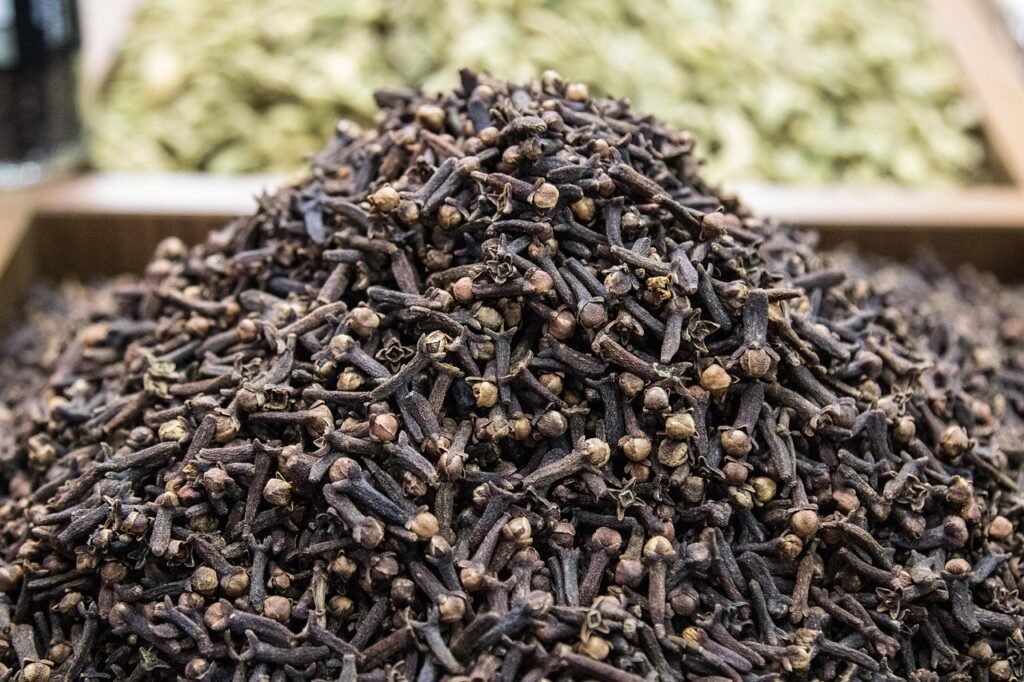
Flowers: Cloves are actually the unopened flower buds harvested before they bloom. They are small, reddish-brown, with a nail-like shape—hence the name “clove,” from the Latin clavus, meaning nail.
Fruit: After flowering, the tree produces small purple berries, but these are not used as a spice.
Growing Instructions
Thinking about growing your own cloves? Here’s what you need to know:
Sunlight: Clove trees thrive in full sun but can tolerate partial shade.
Soil: They prefer rich, well-drained loamy soils with good moisture retention. Slightly acidic to neutral pH is best.
Temperature: Cloves need a warm, humid tropical climate, ideally between 20–30°C (68–86°F). They cannot tolerate frost.
Watering: Regular watering is essential, especially in dry seasons, but avoid waterlogging.
Spacing: Plant trees about 8–10 meters (26–33 feet) apart to allow for mature growth.
Support: No staking needed once established; the trees are sturdy.
Life Cycle: Clove is a slow-growing evergreen tree that follows a perennial life cycle and requires tropical conditions to thrive. While it lives for decades, its productive life stage begins several years after planting:
Germination: Clove seeds are delicate and must be planted fresh, as they lose viability quickly once dried. Germination can take 4–6 weeks under warm, humid conditions. Consistent moisture and shade are essential during this early stage.
Vegetative Growth: For the first few years, the clove tree devotes energy to developing a strong trunk, leafy canopy, and deep root system. This juvenile phase lasts about 3–6 years, during which no flower buds are produced. Healthy vegetative growth is vital for future yields.
Flowering: Typically beginning around the 6th to 8th year, clove trees produce clusters of small flower buds at the tips of branches. These buds emerge green and slowly turn to a pinkish-red as they mature—right before harvest. Flowering usually occurs during the dry season after consistent rainfall.
Fruit Set: If not harvested for spice, the buds bloom into small white flowers and develop into dark purple fruits (clove berries or “mother cloves”). These fruits contain seeds but are not commonly used in cultivation due to their short viability.
End of Season: Clove trees do not die back seasonally like annuals or biennials. Instead, they continue growing year-round in tropical climates. After peak flowering and harvest, the tree enters a rest phase, then resumes vegetative growth. With proper care, a clove tree can live and produce buds for over 50 years.
Harvesting and Foraging
Harvesting
Cloves are handpicked when the flower buds turn pinkish but before they open. Timing is key—buds are dried in the sun until they turn dark brown and hard.
Foraging
Wild clove trees are rare outside native regions. If foraging in tropical areas, be sure to respect local laws and sustainability practices.
Plant Companions
Good neighbors: Shade-tolerant plants like coffee and nutmeg often grow well alongside clove trees in agroforestry systems.
Not-so-great roommates: Avoid aggressive root competitors or plants needing drier soil, as cloves prefer moist conditions.
Common Pests and Diseases
Clove shoot borer: A caterpillar that damages young shoots—prune affected areas and monitor trees regularly.
Stem canker: Fungal infection causing lesions on branches; ensure good airflow and avoid waterlogging.
Scale insects and aphids: Sap-sucking pests that can be controlled with natural predators or organic sprays.
Shopping Tips
Whole cloves: Buy whole buds for the freshest flavor; ground cloves lose aroma quickly.
Organic: Look for certified organic cloves to avoid pesticide residues.
Source: Cloves from Indonesia or Madagascar often have superior flavor due to ideal growing conditions.
Storage
Whole cloves: Store in airtight containers in a cool, dark place for up to a year to preserve aroma.
Ground cloves: Use quickly or store in the fridge to maintain potency.
Avoid moisture: Keep cloves dry to prevent mold or loss of flavor.
Culinary Uses
Cloves bring warmth, complexity, and depth to both sweet and savory creations around the world. Their bold, aromatic profile comes from the essential oil eugenol, which delivers that signature spicy-sweet flavor with just a pinch.
Spices and Seasoning: Cloves are a cornerstone of many traditional spice blends:
Garam masala (India): Combines cloves with cardamom, cinnamon, and cumin for rich, layered curries.
Pumpkin pie spice (North America): A fall favorite that blends cloves with cinnamon, nutmeg, and allspice for baking and lattes.
Chinese five-spice: A balanced mix of cloves, fennel, star anise, Sichuan peppercorns, and cinnamon for seasoning meats and stir-fries.
Berbere (Ethiopia): A bold, spicy blend with cloves, ginger, paprika, and fenugreek used in lentils, stews, and meat rubs.
Even on their own, ground cloves are powerful—just a dash can elevate roasted vegetables, sauces, or spice rubs.
Baking: Cloves have long been associated with sweet treats and festive baking:
Add them to gingerbread, spiced cookies, or fruit cakes for a rich, aromatic touch.
Pair with citrus zest or molasses for warming winter flavors.
Combine with cinnamon and nutmeg in apple pies, poached pears, or pumpkin desserts.
Sprinkle a tiny amount into banana bread or muffins to bring out fruity undertones.
Pro tip: Because cloves are so potent, less is more—too much can overpower a dish.
Savory Dishes: Cloves shine in hearty meals and traditional dishes from across the globe:
Indian biryani and pilafs: Whole cloves are toasted in oil or ghee to flavor rice dishes.
Tagines (North Africa): Used with cinnamon and cumin to add depth to stews with lamb, chickpeas, and dried fruits.
Middle Eastern braises: Whole or ground cloves infuse slow-cooked meat with warm spice.
European stews and broths: Cloves are often studded into onions or bay leaves and simmered with roasts or soups (like in German sauerbraten or French pot-au-feu).
They also complement game meats, root vegetables, and legume dishes.
Beverages: Cloves are a natural match for warm drinks and spiced infusions:
Chai tea (India): A traditional blend of black tea, cloves, cardamom, and other warming spices.
Mulled wine or cider: Whole cloves are simmered with orange slices, cinnamon sticks, and red wine or apple juice for a cozy, aromatic drink.
Golden milk or turmeric lattes: A pinch of clove adds another layer of warmth to these wellness drinks.
Cocktails: Clove syrup or infused simple syrups can flavor old fashioneds, punches, or holiday-themed cocktails.
Herbal teas: Clove pairs well with ginger, lemon, and honey for soothing herbal blends.
Preservation and Pickling: Before refrigeration, cloves were valued for their antimicrobial properties and flavor:
Used in pickled fruits (like peaches or pears) and spiced chutneys.
Added to pickling brines for vegetables or pickled herring in Scandinavian cuisine.
Common in ham glazes—clove-studded hams are a holiday staple in many households.
Traditionally used in meat rubs and marinades to help preserve and tenderize.
Today, cloves continue to be part of traditional recipes that preserve flavor and tradition.
Bonus Use – Rice Aromatics:
In some cultures, whole cloves are sautéed in oil or ghee with cinnamon and cardamom to flavor plain rice—a simple yet elegant way to elevate your everyday grains.
Health Benefits
Cloves are more than just a spice—they pack a wellness punch:
Rich in antioxidants: Compounds like eugenol provide anti-inflammatory and antimicrobial effects.
Dental health: Eugenol is a natural anesthetic and antiseptic, commonly used in dentistry for toothaches.
Digestive aid: Cloves can help reduce gas, nausea, and improve digestion.
Immune support: Antimicrobial properties may help fight infections.
Blood sugar regulation: Emerging research suggests potential benefits in blood sugar control.
Toxicity and Safety
Moderation is key: Consuming cloves in culinary amounts is safe for most people.
Eugenol toxicity: High doses of clove oil or extracts can be toxic, causing liver damage or allergic reactions—use medicinal forms cautiously and consult a healthcare provider.
Allergies: Some individuals may be sensitive to cloves; discontinue use if irritation occurs.
Environmental Impact
Sustainable crop: Clove cultivation, when managed well, supports biodiversity and agroforestry systems.
Carbon sequestration: Mature clove trees contribute to carbon capture in tropical forests.
Economic importance: Provides livelihoods for smallholder farmers in tropical countries.
Caution: Overharvesting wild clove populations can threaten local ecosystems, so responsible sourcing is essential.