
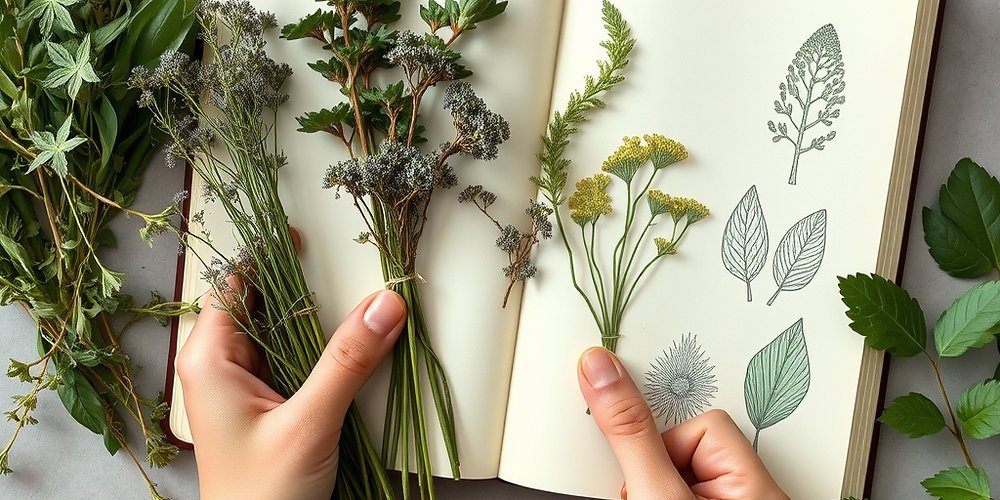
This article is about how botanical folklore is shaping brands, herbal culture, and eco-tourism.
“When we tell stories about plants, we’re not just talking about leaves and roots. We’re talking about memory, identity, and the quiet ways nature still guides us in a noisy world.” – The Economic Botanist
Botanical folklore might sound like something out of an old storybook, but today it’s shaping real economic trends—from the way brands sell herbal supplements to how travelers choose eco-tourism destinations. If you’ve ever reached for a “goddess blend” tea, felt intrigued by a gin bottled with mythic plant tales, or added a witch-aesthetic serum to your cart, you’re already taking part in this new wave of folkloric plant culture.
As you move through this article, you’ll see how ancient plant stories—once told around fires or passed through families—now influence your buying choices without you even noticing. We’ll look at herbal branding, the revival of folk herbalism, the rise of mystical botanicals in spirits and liqueurs, and the surprising role that sacred groves and fairy-tree traditions play in eco-tourism today. You’ll also see why folklore still matters even in a world full of data, algorithms, and modern science.
- Botanical Folklore in Today’s Economy
- Mythic Plant Narratives in Herbal Supplements
- How Spirits and Liqueurs Use Folkloric Plant Stories
- The Witch-Aesthetic and the Rise of Folk Herbalism
- Folklore Plants and the Growth of Eco-Tourism
- Why Folkloric Plant Narratives Still Shape Consumer Behavior
- Ethical Questions Around Using Botanical Folklore
- The Bottom Line
Botanical Folklore in Today’s Economy
Botanical folklore has moved from the background of cultural history into the center of modern branding and consumer behavior. You probably notice it every time you scroll through wellness products, see ads for botanical spirits, or stumble across guided tours of enchanted forests.
But why now?
Today’s consumers are craving:
Nature-connected experiences
Products with emotional depth
Stories that feel ancient, grounding, or mystical
Meaning beyond simple ingredients
Plant mythology, cultural plant symbolism, and folkloric herbs offer all of that. They give brands a way to connect with you on a human level—through stories that tap into memory, tradition, and imagination. At the same time, these stories help people feel rooted in something older and more meaningful than everyday consumer culture.
In other words, botanical folklore has become a strong economic tool because it connects your emotions with your purchases.
Mythic Plant Narratives in Herbal Supplements
Herbal supplements have undergone a major shift. Instead of marketing themselves only with scientific-sounding health claims, many brands now highlight ancient myths, sacred origins, or plant “spirits” to create a deeper identity.
Why mythic plants boost herbal branding
If you’ve ever bought an herb because it was described as a “warrior plant” or “protector herb,” you’ve experienced this firsthand. These narratives work because:
They create emotional trust
They make wellness feel meaningful instead of clinical
They connect you to long-standing traditions
They frame plant-based medicine as ancient wisdom
Even though modern supplements rely on research, mythic stories add a cultural layer that makes the product feel richer.
Folkloric herbs that show up again and again
You’ll see the same characters pop up across the wellness market:
Ashwagandha described as a “strength and vitality herb” tied to warrior energy
Elderberry framed as a magical boundary plant that protects homes in European folklore
Mugwort marketed as a dream herb or mystical cleanser
Holy basil (tulsi) promoted with spiritual and ritual narratives
These herbs come with stories that add personality to the products they’re included in.
How storytelling shapes your choices
You might think you’re just buying a supplement for your immune system or sleep quality. But research on consumer psychology shows that storytelling—especially stories with cultural roots—helps you remember a product, feel emotionally connected to it, and trust it more.
That’s why herbal supplements that highlight ancestral plant knowledge are doing so well. They blend tradition with wellness, giving you something that feels both effective and meaningful.
How Spirits and Liqueurs Use Folkloric Plant Stories
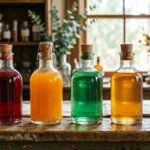
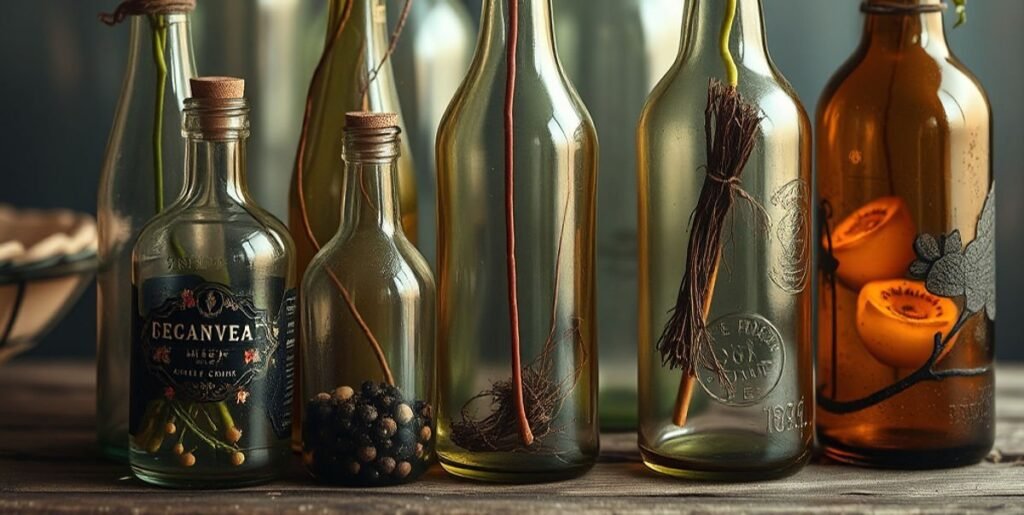
If you’ve walked down the craft spirits aisle lately, you’ve probably noticed how many bottles tell stories of enchanted forests, ancient rituals, or old-world plant mythology. Distillers have learned that botanicals aren’t just ingredients—they’re characters.
Why folkloric plants dominate modern spirits
Craft spirits thrive on storytelling because:
They rely on unique botanicals
They want to feel artisanal
They need to stand out from mass-market brands
They target consumers who care about heritage and identity
Botanical spirits branding often leans on old botanical lore to give a product personality and atmosphere.
Examples of myth-inspired liqueurs
You’ll find many spirits pulling from cultural plant symbolism, such as:
Gins highlighting “fairy botanicals” or “forest herbs” associated with European folklore
Alpine liqueurs tied to mountain spirits and protective herbs
Nordic botanical blends inspired by mythic trees and enchanted groves
Bitters flavored with plants once used in ritual or folk medicine
Fun Fact
The word “gin” originally comes from “genievre,” the French word for juniper, a plant long believed to ward off evil spirits. So even the name of the drink is rooted in botanical folklore.
The stories printed on bottles act as a mini folklore lesson—and a smart marketing tool.
Why folklore works in the alcohol market
You aren’t just buying a drink. You’re buying:
A mood
A sense of heritage
A place in nature-inspired storytelling
A taste of a culture’s plant mythology
This is why mystical botanicals dominate the craft spirits scene and why myth-inspired liqueurs keep growing in popularity.
The Witch-Aesthetic and the Rise of Folk Herbalism
The “witch aesthetic” is everywhere—beauty products with moon phases, teas labeled as spell blends, herbal kits marketed for rituals, and skincare tied to folk magic marketing. What used to be a niche interest is now a major cultural force.
Why people love witch-aesthetic products
These products resonate because they let you:
Feel connected to nature
Reclaim intuition and personal ritual
Celebrate ancestral plant knowledge
Explore folk herbalism in accessible ways
It’s not really about witchcraft for most people. It’s about feeling empowered, grounded, and connected.
How folk herbalism became mainstream
Thanks to social media platforms, especially video-based ones, folk herbalists and plant educators now reach millions. They share easy recipes, enchanted forest content, plant myth breakdowns, and sustainable foraging tips. Suddenly, what once felt like an old tradition feels modern, approachable, and fun.
But the aesthetic comes with responsibility
With popularity comes challenges:
Some traditions risk being oversimplified
Sacred practices can be taken out of cultural context
There’s pressure on certain “trendy herbs,” which can threaten ecosystems
Responsible brands acknowledge the roots of the traditions they use and avoid treating sacred knowledge as mere decoration.

Folklore Plants and the Growth of Eco-Tourism
Eco-tourism has exploded in recent years, but a surprising part of its growth comes from folklore—not just nature itself.
People travel to experience mythology, not just landscapes
Folklore tourism blends nature, culture, and story. That’s why destinations with mythic or sacred landscapes attract visitors seeking meaning as well as beauty.
Sacred groves as eco-tourism sites
Across many cultures, sacred groves were protected spaces where people believed spirits or ancestors lived. Today, these sites draw travelers interested in:
Conservation
Spiritual history
Plant mythology
Ritual landscapes
When you visit a sacred grove, you’re stepping into a living piece of cultural memory.
Fairy-tree traditions in travel
Some of the most interesting eco-tourism spots include:
Fairy trees in Ireland and Scotland
Enchanted forests tied to legends in Iceland
Mountain shrines dedicated to protective plants
Culturally preserved “story trees” in North America and Asia
Fun Fact
Many European fairy-trees are still legally protected today, not because of science, but because communities genuinely fear bad luck if they are removed. This folklore has saved hundreds of old trees from being cut down.
These places are beloved because they feel magical—and because they’re rooted in real folklore that communities still honor.
How folklore helps conservation
When a plant or place is tied to mythology, people protect it. Folklore can act like an early form of environmental awareness. Even today, sites connected to plant mythology often receive extra care, funding, and attention.
Why Folkloric Plant Narratives Still Shape Consumer Behavior
Even though we live in a science-driven world, folklore still plays an active role in shaping what you buy and how you travel. That’s because folklore speaks to emotions and instincts, not just logic.
The psychology behind botanical storytelling
Researchers who study consumer behavior talk about “narrative transportation”—meaning the more you get absorbed in a story, the more likely you are to trust and value the product linked to it. And plant stories are some of the oldest narratives humans have.
This is why brands use:
Mythic plants
Ancestral plant knowledge
Magical herbs
Folklore-inspired products
These elements create feelings—not just facts.
Why we still crave folklore in the digital age
You might assume folklore should fade as technology grows, but the opposite is happening. People crave:
Mystery
Meaning
Identity
Connection to nature
Stories that feel older than the digital world
Folklore offers an escape from the overwhelming, fast-paced environments most of us live in.
And because we’re biologically wired to respond to stories, not just information, folklore will likely continue shaping branding and tourism for years to come.
Ethical Questions Around Using Botanical Folklore
With all this growth, there are also important questions we can’t ignore.
Cultural sensitivity matters
Not all plant stories are fair game. Some are sacred or belong to specific cultures who should have control over how those traditions are shared. Brands that use folklore without credit or context risk erasing the communities who kept those traditions alive.
Sustainability of folkloric herbs
When certain herbs trend—like sage or palo santo—their ecosystems can suffer. Ethical harvesting and sourcing are essential.
Tourism needs balance
Folklore sites can be damaged by too many visitors or disrespectful behavior. Responsible eco-tourism supports local communities and protects cultural landscapes.
In short: folklore is powerful, but it must be handled with care, respect, and environmental awareness.
The Bottom Line
Botanical folklore isn’t just a charming piece of our past—it’s a driving force in today’s economy. From herbal supplements that use mythic plants to create deeper meaning, to botanical spirits that offer cultural storytelling, to the rise of folk herbalism and mystical botanicals in mainstream markets, folklore continues to shape what you buy and why.
Eco-tourism trends also show us that people want more than a scenic view. They’re seeking enchanted forests, fairy-tree traditions, and sacred groves that carry cultural history. These places feel alive with meaning, and that meaning drives travel behavior.
As long as humans crave stories, identity, and connection to nature, botanical folklore will remain a powerful economic and cultural force. But it works best when approached with respect—respect for the plants, the cultures that protect these stories, and the ecosystems that allow these stories to live on.
If we can weave together ancient wisdom, ethical practices, and modern creativity, we’ll continue to enjoy a world where mythic plants are more than legends—they’re living guides shaping how we experience the world.
********************
If you enjoyed exploring how botanical folklore shapes modern wellness, branding, and travel, consider subscribing for more deep dives into nature, culture, and the science behind our everyday experiences. Share this article with someone who loves plant mythology or handcrafted products—they’ll appreciate the magic.