








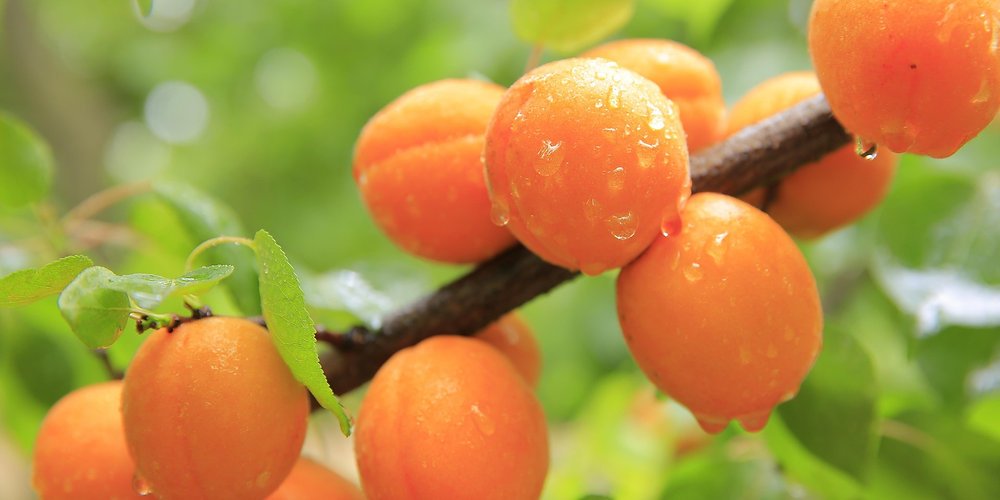
Scientific name: Prunus armeniaca L.
Family: Rosaceae
You might know the apricot as the golden gem of summer—soft, sweet, and just a little tart. Whether sun-dried into chewy snacks or fresh off the branch, apricots have a long-standing reputation as a fruit of both indulgence and nourishment.
But beyond their juicy reputation lies a deep-rooted history, fascinating botany, and surprising versatility. From ancient trade routes to modern orchards, the apricot has made its mark across cultures and cuisines.
In this Plant Compendium entry, we’re digging into everything apricot—from growing tips to health perks. Whether you’re planting your first tree or just wondering what to do with a bag of fresh apricots, we’ve got you covered.
History of Apricots
Apricots have traveled through time and geography, weaving their way into mythology, medicine, and kitchens around the world. Their story is as sun-drenched as the fruit itself.
Ancient Origins
Despite its species name (armeniaca), the apricot likely originated in China over 4,000 years ago. Wild apricot trees still grow in parts of Central Asia, and ancient Chinese texts mention their use for food and medicine.
The Silk Road Journey
Apricots spread westward via the Silk Road, cultivated across Persia, Armenia, and the Caucasus. Armenian traders played a major role in their spread, which is how the fruit earned its Latin name, Prunus armeniaca—“Armenian plum.”
Classical Antiquity
The apricot was known to the Greeks and Romans, though often confused with similar fruits like plums and peaches. Roman naturalist Pliny the Elder referred to them as “early-ripening peaches,” noting their short growing season.
The Islamic Golden Age
Persian and Arab botanists perfected the cultivation and grafting of apricot trees. The fruit became a beloved ingredient in Middle Eastern desserts and medicinal preparations. Apricot oil and dried apricots were common items in early pharmacies and trade markets.
European and American Spread
Apricots reached southern Europe by the Middle Ages, thriving in the Mediterranean climate. Spanish missionaries introduced apricots to the Americas in the 18th century—first to Mexico, then north to California, where they flourished in the dry, sunny valleys.
Modern Industry
Today, apricots are cultivated globally, with major production in Turkey, Iran, Uzbekistan, and California. Dried apricots are a staple in pantries worldwide, while fresh varieties are enjoyed in season from late spring through summer.
Cultural Symbolism
In many cultures, apricots symbolize fertility, warmth, or fragility due to their delicate skin and early ripening. In Chinese tradition, apricot blossoms are associated with learning and literature, while in Middle Eastern folklore, dreaming of apricots was once thought to predict ill fortune—likely due to their fleeting shelf life.
From desert oases to orchard aisles, the apricot’s golden flesh carries stories of trade, taste, and timeless appeal.
Botanical Description
Apricots belong to the Prunus genus, making them close cousins to cherries, peaches, plums, and almonds.
Roots: Apricot trees develop a strong, spreading root system, often shallow but wide-reaching. This helps anchor the tree in arid climates, but makes them sensitive to soil disturbance.
Trunk & Branches: Typically growing 3–8 m (10–26 ft) tall, apricot trees have gray-brown bark that becomes fissured with age. Their branches often spread in a rounded canopy and may require pruning to stay productive.
Leaves: The leaves are broad, heart-shaped, and finely toothed. They emerge bright green in spring and darken through the season.
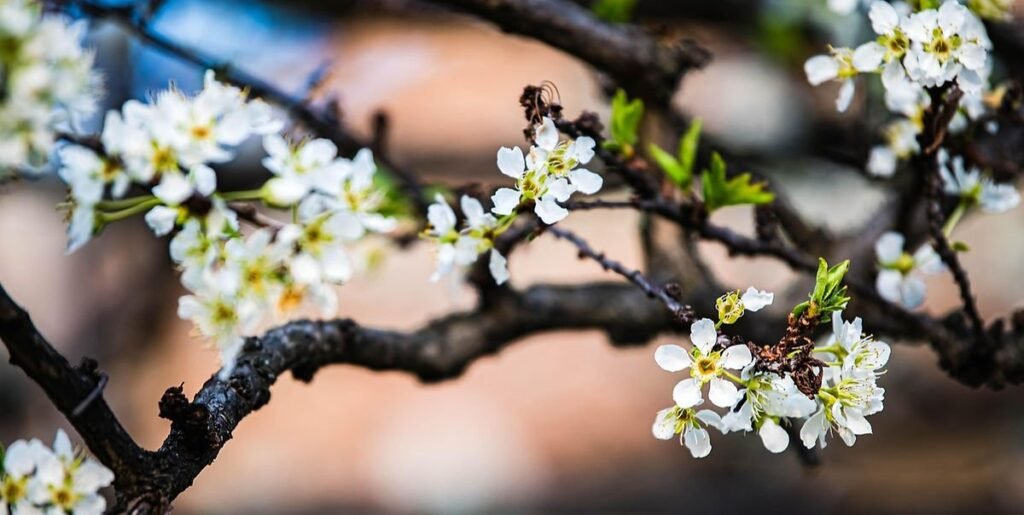
Flowers: Apricot blossoms are a highlight of early spring—five-petaled, white to pale pink, and mildly fragrant. They bloom before the leaves, making the tree appear dusted with snow.
Fruit: Apricots are small drupes, typically 3–5 cm in diameter. Their thin, velvety skin ranges from pale gold to deep orange, often with a rosy blush. Inside, the flesh is juicy and sweet-tart, surrounding a hard pit that contains a bitter kernel.
Growing Instructions
Want to harvest sun-kissed apricots from your own backyard? Here’s your how-to guide:
Sunlight: Full sun is essential. Apricot trees need at least 6–8 hours daily to develop healthy fruit.
Soil: They prefer well-drained, sandy or loamy soils with a neutral to slightly alkaline pH (6.5–8.0). Avoid heavy clay or soggy roots.
Temperature: Apricots thrive in regions with cold winters and warm, dry summers. They require 300–900 chill hours to set fruit, making them ideal for Mediterranean and temperate climates.
Watering: Moderate water—especially during flowering and fruiting. Allow soil to dry slightly between waterings. Too much moisture can cause root rot or fruit drop.
Spacing: Plant trees 4–6 m (12–20 ft) apart to ensure ample airflow and room to grow.
Pruning: Prune in late winter or early spring. Remove dead or crossed branches to maintain a strong structure and boost sun penetration.
Life Cycle
Germination: Apricot seeds require cold stratification (4–6 weeks) to sprout.
Growth: Trees take 2–4 years to mature and bear fruit.
Flowering: Blossoms appear in early spring—often before last frost, which can be risky.
Fruit Set: Fruit matures 3–4 months after flowering.
Dormancy: Trees rest in winter, dropping leaves in late fall.
Harvesting and Foraging
Harvesting
When: Pick apricots when they’re fully colored, slightly soft, and easily detach with a twist. Harvest in the morning for best flavor.
How: Gently cradle fruit in your palm and twist off. Handle carefully—apricots bruise easily.
Foraging
Wild apricot trees may grow in parts of Central Asia and California.
Always identify trees carefully—some wild Prunus species have toxic kernels.
Avoid fruit near roadsides or polluted areas.
Plant Companions
Good neighbors help your apricot tree thrive.
Good companions:
Lavender – Attracts pollinators and deters pests.
Chamomile – Supports tree health and boosts neighboring plant vitality.
Garlic and onions – Naturally repel aphids and borers.
Legumes (like clover) – Fix nitrogen and improve soil fertility.
Avoid:
Tomatoes and potatoes – May harbor verticillium wilt, which apricots are susceptible to.
Large shade trees – Compete for light and water.
Common Pests and Diseases
Apricots are delicious—to people and pests alike. Watch out for:
Aphids – Cluster on young shoots. Spray with water or neem oil.
Fruit borers – Tunnel into ripening fruit. Remove and destroy affected fruits.
Brown rot – Fungal disease causing soft, moldy spots. Prune for airflow and use antifungal sprays if needed.
Shot hole disease – Tiny holes in leaves from fungal infection. Remove infected leaves and treat with copper spray.
Gummosis – Oozing sap due to stress or injury. Prune properly and avoid mechanical damage.
Shopping Tips
Saplings
Buy from reputable nurseries.
Look for strong, disease-free trees with no leaf spots or wounds.
Choose self-pollinating varieties unless you plan to grow more than one tree.
Dried Apricots
Choose unsulfured varieties for a more natural product.
Look for plump, pliable fruit without excessive sugar or preservatives.
Fresh Apricots
Ripe apricots should feel slightly soft with a sweet fragrance.
Avoid greenish or overly firm fruit—they won’t ripen well off the tree.
Storage
Fresh Apricots
Store unripe fruit at room temperature.
Once ripe, refrigerate and eat within 3–5 days.
Dried Apricots
Keep in a cool, dark place in airtight containers.
Freeze for long-term storage.
Preserved Apricots
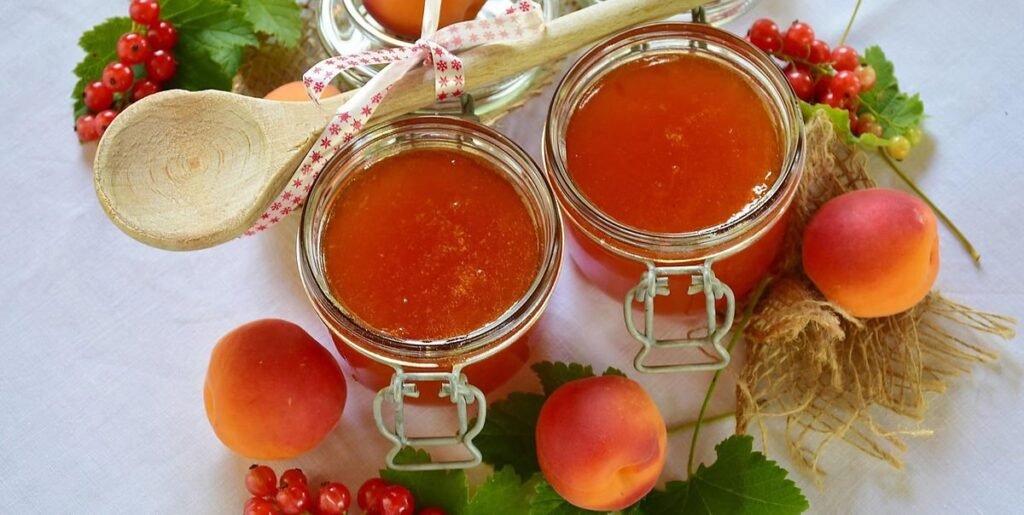
Can be made into jam, compote, or syrup.
Store in sterilized jars for up to a year.
Culinary Uses
Apricots are not only a sweet and fragrant fruit but also incredibly versatile in the kitchen. Their delicate balance of tartness and natural sweetness allows them to shine in a variety of dishes—from refreshing drinks and jams to savory glazes and desserts. Plus, their bright orange color adds a beautiful pop to any plate. Whether fresh, dried, or cooked, apricots offer a unique flavor profile that elevates both traditional and innovative recipes.
Fresh Apricots
Fresh apricots are perfect for enjoying as a simple snack, but they also bring a juicy, slightly tangy note to salads, salsas, and desserts. Their firm yet tender flesh holds up well when grilled or roasted, adding a caramelized sweetness to savory dishes.
Apricot and Arugula Salad: Toss sliced apricots with peppery arugula, toasted almonds, crumbled feta, and a honey-lemon vinaigrette for a refreshing summer salad.
Grilled Apricots with Honey and Yogurt: Halve and pit fresh apricots, grill briefly to bring out their natural sugars, then drizzle with honey and serve with creamy Greek yogurt and crushed pistachios.
Fresh Apricot Salsa: Combine diced apricots, red onion, jalapeño, cilantro, and lime juice for a bright salsa perfect on grilled chicken or fish.
Dried Apricots
Dried apricots concentrate the fruit’s natural sugars, offering a chewy texture and intensified flavor. They are wonderful in baking, trail mixes, and savory dishes alike.
Apricot and Nut Energy Bites: Blend dried apricots with nuts, seeds, and a touch of honey or maple syrup, then roll into bite-sized balls for a nutritious snack.
Moroccan Tagine: Add chopped dried apricots to slow-cooked lamb or chicken tagines to introduce a sweet counterpoint to warm spices like cinnamon and cumin.
Apricot-Stuffed Chicken: Stuff chicken breasts with a mixture of chopped dried apricots, garlic, herbs, and cheese before baking for a juicy, flavorful entrée.
Apricot Jam and Preserves
Apricot jam is a kitchen classic—fragrant, bright, and perfect for spreading or incorporating into recipes. Homemade apricot preserves can be customized with hints of vanilla, ginger, or rosemary for extra complexity.
Classic Apricot Jam: Simmer ripe apricots with sugar and lemon juice until thickened, then jar for a sweet spread that pairs beautifully with toast, scones, or cheese boards.
Apricot and Ginger Preserve: Add fresh ginger slices during cooking for a spicy kick that complements the fruit’s natural sweetness.
Apricot Thumbprint Cookies: Use apricot jam as a filling for buttery cookies to create a delightful treat perfect for afternoon tea.
Apricot Sauces and Glazes
Apricots make excellent bases for sauces and glazes, adding a fruity brightness to meats, vegetables, and grains.
Apricot Glazed Pork: Combine apricot preserves with soy sauce, garlic, and ginger to create a sticky glaze perfect for roasting pork tenderloin or ribs.
Apricot Balsamic Reduction: Simmer apricot preserves with balsamic vinegar and a touch of honey until syrupy; drizzle over roasted vegetables or grilled meats for a sweet and tangy finish.
Apricot Chutney: Cook apricots with onions, vinegar, mustard seeds, and spices to create a tangy condiment that pairs wonderfully with cheese, curries, or sandwiches.
Beverages with Apricots
Apricots also shine in drinks, offering a natural sweetness and vibrant color to cocktails, teas, and smoothies.
Apricot Smoothie: Blend fresh or dried apricots with banana, yogurt, and a splash of orange juice for a creamy, vitamin-rich breakfast drink.
Apricot-Infused Iced Tea: Steep apricot slices with green or black tea, then chill for a refreshing summer beverage.
Apricot Cocktail: Mix apricot nectar or jam with sparkling wine, a splash of brandy, and fresh herbs like mint or basil for a festive drink.
Baking and Desserts
From tarts to cakes and sorbets, apricots lend themselves beautifully to baked goods and chilled desserts.
Apricot Tart: Layer sliced apricots over almond cream in a buttery pastry crust, then bake until golden and fragrant.
Apricot Sorbet: Puree apricots with sugar and lemon juice, then churn into a refreshing frozen dessert perfect for hot days.
Apricot Clafoutis: Bake apricots in a light, custard-like batter for a rustic French dessert that’s both elegant and simple.
Quick Tips for Cooking with Apricots
When using fresh apricots, handle them gently as they bruise easily.
Apricot pits contain amygdalin, which can release cyanide when consumed in large amounts—avoid cooking with pits or seeds.
Adjust sugar in recipes based on the sweetness of your apricots; underripe fruits may need more sweetening.
Combine apricots with complementary flavors such as almonds, honey, vanilla, cinnamon, ginger, and citrus for the best taste harmony.
Health Benefits
Apricots aren’t just tasty—they’re nourishing:
Rich in Vitamin A – Supports vision and skin health.
Good Source of Fiber – Aids digestion and gut health.
Antioxidant Power – Contains beta-carotene and flavonoids.
Hydration Support – High water content helps with hydration.
Iron Boost – Dried apricots contain non-heme iron, helpful for vegetarians.
Toxicity and Safety
Apricots are safe to eat—with a few caveats:
Kernels: The pits contain amygdalin, which can convert to cyanide in the body. Avoid eating the raw seeds.
Allergic Reactions: Rare, but possible in sensitive individuals.
Sulfites in Dried Fruit: May trigger reactions in people with sulfite sensitivity. Look for unsulfured varieties if needed.
Pets: Apricot flesh is safe for dogs in moderation, but pits and leaves are toxic.
Environmental Impact
Apricot cultivation can be eco-friendly with proper practices.
Pollinator-Friendly: Blossoms attract bees and early-spring pollinators.
Water Use: Moderate—less than crops like almonds, but still needs mindful irrigation.
Soil Health: Deep roots can prevent erosion and improve soil texture.
Pesticide Use: Conventional orchards may use sprays; choose organic if possible.
Local Sourcing: Support regional growers during apricot season to reduce food miles.